
Ambulances or VDTD: understand the differences
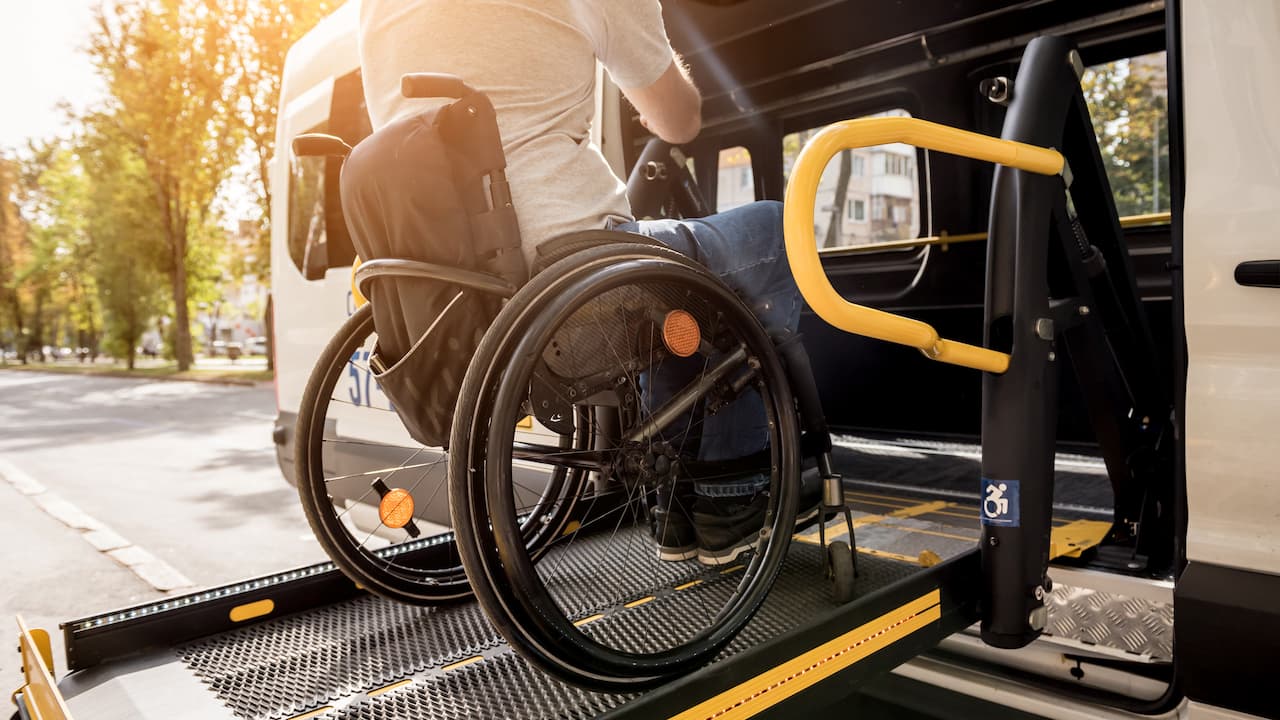
On the subject of patient transport, two terms tend to come up frequently: ambulance and VDTD (Veículo Dedicado ao Transporte de Doentes, a dedicated patient transport vehicle). If you have ever wondered about the real differences between them, this article is here to clear things up.
Both vehicles have important roles in patient care, but they are quite distinct, both in how they are used and in the equipment they offer. Read on.
What are ambulances?
Ambulances, in simple terms, are vehicles specially equipped to transport patients. There are different types of ambulance, and each is designed for specific situations.
In general, an ambulance is crewed by at least two professionals qualified to provide medical care during transport. These professionals may be, for example, emergency technicians or nurses, depending on the type of ambulance.
Types of ambulance
- Type A: these are transport ambulances, suitable for transporting patients who present no immediate risk to their health. Type A1, for example, transports one patient on a stretcher or in a wheelchair, while Type A2 can transport several patients and their companions
- Type B: known as emergency ambulances, they are equipped to transport patients in urgent situations, with the resources to provide immediate medical care
- Type C: these are intensive care ambulances, used to transport life-threatened patients who need advanced medical care during transport, such as ventilation or intensive monitoring.
What are VDTD?
Dedicated Patient Transport Vehicles (VDTD) are light vehicles designed for transporting patients in non-emergency situations. Unlike ambulances, VDTD are used to transport people who, although they need to be transported safely, do not require medical care during the journey. They are common for transporting patients to appointments or tests that involve no immediate risk.
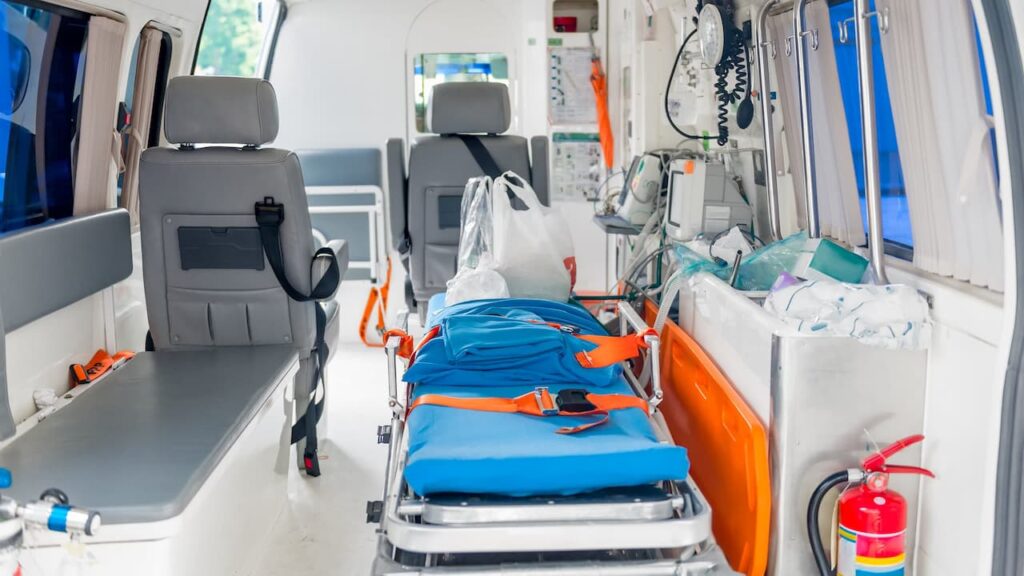
Image: the interior of an ambulance
Main differences between ambulances and VDTD
1. Function and type of patient
The main difference between an ambulance and a VDTD is the type of patient each one transports.
- Ambulances are equipped to provide care during transport
- VDTD are intended for transporting patients whose clinical conditions do not require medical care during transport.
In other words, ambulances are used for urgent and emergency situations, while VDTD are used to transport patients who are not at imminent risk to life.
1. Function and type of patient
Ambulances: depending on the type, ambulances may have specialised equipment, such as ventilation systems, monitors and medicines. Emergency ambulances (Type B) or intensive care ambulances (Type C) are equipped with technologies and resources that make it possible to save lives during transport
VDTD: these are simpler in terms of equipment, since they do not require the same medical care during transport. Typically, these vehicles have ramps or lifts to make access easier for patients in wheelchairs and are fitted with air conditioning to ensure comfort during the journey.
2. Crew
The crew of an ambulance is more highly qualified and includes healthcare professionals trained to provide care during transport. For example, a Type B ambulance has at least two healthcare professionals, while a Type C has a team made up of doctors and nurses.
In VDTD, the crew is simpler: it is generally made up of a driver trained in Basic Life Support, with no need for healthcare professionals on board.
3. Licensing
Both types of vehicle need to be properly licensed and approved to ensure the safety of transport.
Ambulances must undergo regular inspections and meet stricter requirements in terms of equipment and crew, given their role in providing healthcare.
VDTD, although they also require certification, have less demanding requirements, since they do not involve providing medical care during transport.
When to use each one?
The choice between an ambulance and a VDTD always depends on the patient's clinical situation:
- Ambulance: when the patient has a high-risk condition or needs medical care during transport, such as in urgent or emergency situations, or when their health needs to be monitored
- VDTD: when the patient is at no immediate risk and the transport is for non-emergency situations, such as appointments or medical tests.
Is it worth requesting a VDTD?
With our experience as a company specialising in non-emergency patient transport, we know that, for many people, getting to appointments, tests or treatments can be a real challenge. Discomfort, anxiety or simply worry about the journey can make travelling even harder.
And this is where the VDTD stands out: the perfect solution for those who do not need medical care during the journey, but who are not willing to give up safe, comfortable transport adapted to their needs.
Ambula VDTD: the right transport for your comfort and safety
At Ambula, we know that every patient has unique needs. That is why we offer a specialist non-emergency patient transport service, ideal for those who need to be moved safely and comfortably, but without the need for medical care during the journey. Whether for appointments, tests or treatments, our vehicles are equipped to ensure the patient's wellbeing, with a trained team ready to offer the support needed.
If you are looking for safe, comfortable and efficient transport, Ambula is the right choice to look after you or your loved ones on every journey. Get in touch and discover how we can make your transport simpler and calmer!
Need non-emergency patient transport?
Ambula handles everything — with comfort, punctuality and care.
Book a transport