
Blood donation: everything you need to know
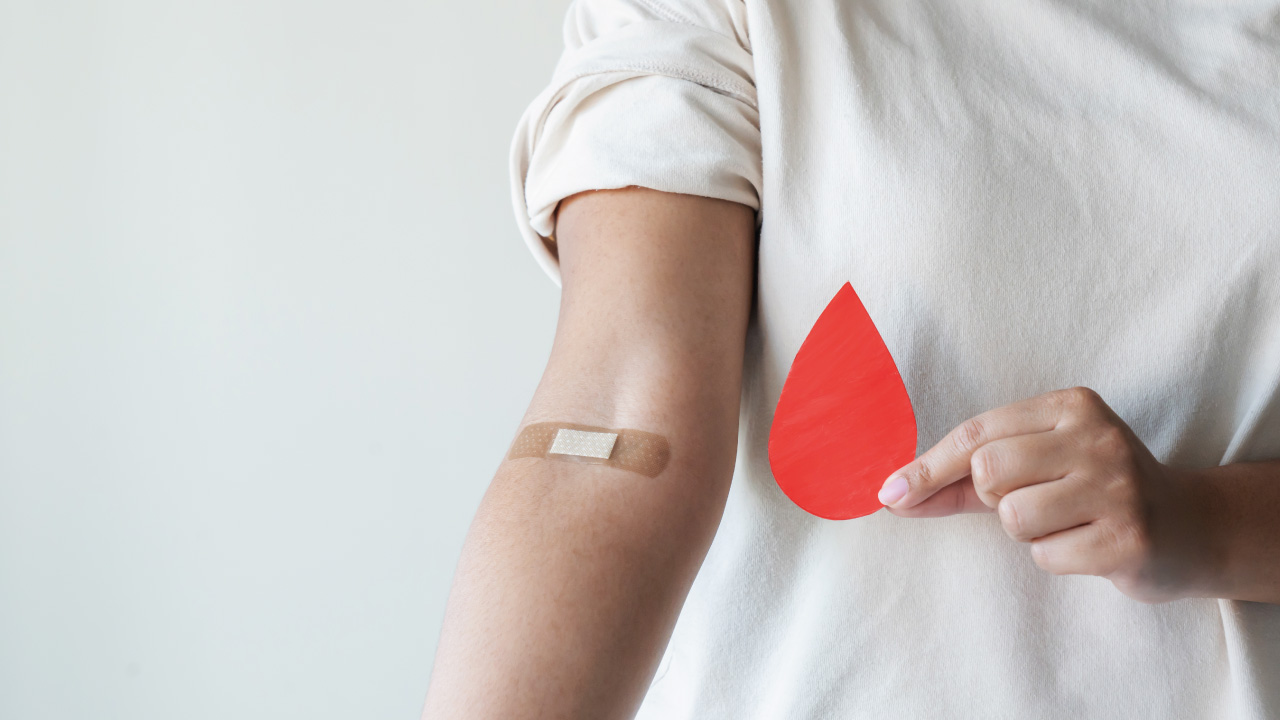
A simple act, yet of enormous importance, and one that can, quite literally, save lives. Every day, in hospitals and health centres, there are people who depend on this gesture to survive. But how does it work? Who can donate? What are the rights and duties of a donor?
The importance of donating blood
Human blood is irreplaceable; there is no technology or laboratory capable of replicating it. For that reason, it depends entirely on the generosity of those who decide to donate. It is used in transfusions, surgery, cancer treatments and accidents and, believe it or not, blood reserves need to be constantly renewed. Did you know that a single donation can save up to three lives?
Who can donate blood?
To be a blood donor, you must:
- Be between 18 and 65 years old. If you are a regular donor, you may continue until the age of 60, or until 65 in specific cases
- Weigh at least 50 kg
- Be healthy, with no blood-transmissible diseases, such as HIV or hepatitis
- Have healthy habits and avoid risky behaviours.
Who cannot donate blood in Portugal?
There are situations that may prevent donation, either temporarily or permanently:
- You had a tattoo or piercing less than four months ago
- You have recently undergone surgery, including dental surgery (less than three months ago)
- You are pregnant or breastfeeding (less than 12 months)
- You received a blood transfusion after 1980
- You have been diagnosed with chronic or infectious diseases (such as insulin-dependent diabetes or malaria)
- You have had a new sexual partner in the last 6 months, without knowing their health history.
Each case will be assessed during the clinical screening, carried out before the donation.
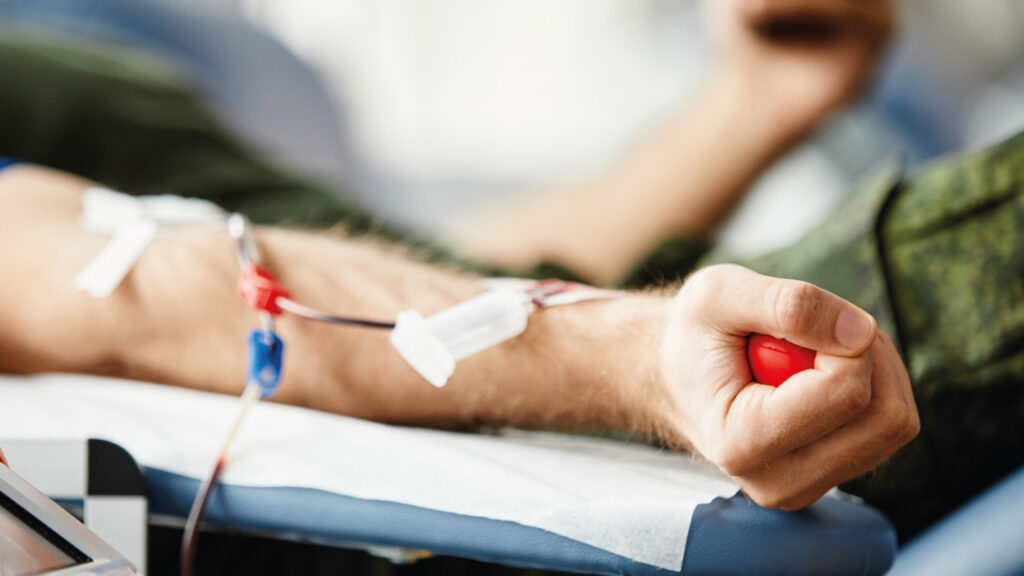
How to donate blood
Before donating, the donor must:
- Identify themselves with a valid document
- Undergo a medical assessment, which includes measuring blood pressure, analysing haemoglobin levels and completing a health questionnaire
- Be well fed and rested.
Rights of the blood donor
- Centro de Sangue e da Transplantação do Porto (the Porto Blood and Transplantation Centre)
Rua do Bolama, no. 133, Porto
Opening hours: Monday to Saturday, 8am to 7.30pm.
Rights of the blood donor
On the other hand, the donor must:
- Provide truthful and complete information about their state of health
- Formalise their consent in writing, by completing the form approved by the responsible public body
- Respect the intervals between donations (three months for men and four months for women)
- Follow the medical guidance before and after donating.
You can consult all the rights and duties of the blood donor in the Estatuto do Dador de Sangue (the Blood Donor Statute), in the Diário da República (the Portuguese official gazette).
Where to donate blood?
You can donate blood at fixed collection centres or at mobile units that travel to various locations. You can find these sites, available from the north to the south of the country, at Dador.pt.
How to apply for sick leave
A sick leave certificate is issued exclusively by authorised bodies, such as:
- SNS (the Portuguese National Health Service) Health Centres (as a rule, by family doctors)
- Hospitals (except accident and emergency departments)
- Serviços de Atendimento Permanente (SAP, permanent care/walk-in services)
- Drug-dependency prevention and treatment services.
And if you need transport to get to a health unit to apply for your sick leave certificate? Count on Ambula to take you there safely.
Where to donate blood in Lisbon?
- Centro de Sangue e da Transplantação de Lisboa (the Lisbon Blood and Transplantation Centre)
Av. do Brasil, no. 53, Lisbon
Opening hours: Monday to Saturday, 8am to 7.30pm.
Where to donate blood in Porto?
- Centro de Sangue e da Transplantação do Porto (the Porto Blood and Transplantation Centre)
Rua do Bolama, no. 133, Porto
Opening hours: Monday to Saturday, 8am to 7.30pm
The National Blood Donor Card
This card records all the donations you have made, registered in the database of the Instituto Português do Sangue e da Transplantação (IPST, IP, the Portuguese Institute of Blood and Transplantation) and makes it easier to access the benefits provided for. It can be consulted on the SNS 24 App, where you will find information such as your national donor number, blood group and the dates and locations of your donations.
The most common questions about donating blood
Yes, provided that at least four months have passed since it was done.
A light meal, and avoid fatty foods.
No, if the transfusion was after 1980.
You must weigh at least 50kg.
Type O negative. Also known as the universal donor.
Men: every three months. Women: every four months.
Up to the age of 65, under specific conditions.
There are four main blood groups: A, B, AB and O. Each group can be Rh positive (+) or negative (-), making a total of eight different blood types (A+, A-, B+, B-, AB+, AB-, O+ and O-).
Need non-emergency patient transport?
Ambula handles everything — with comfort, punctuality and care.
Book a transport