
Communicating with the elderly: how to make interaction more effective
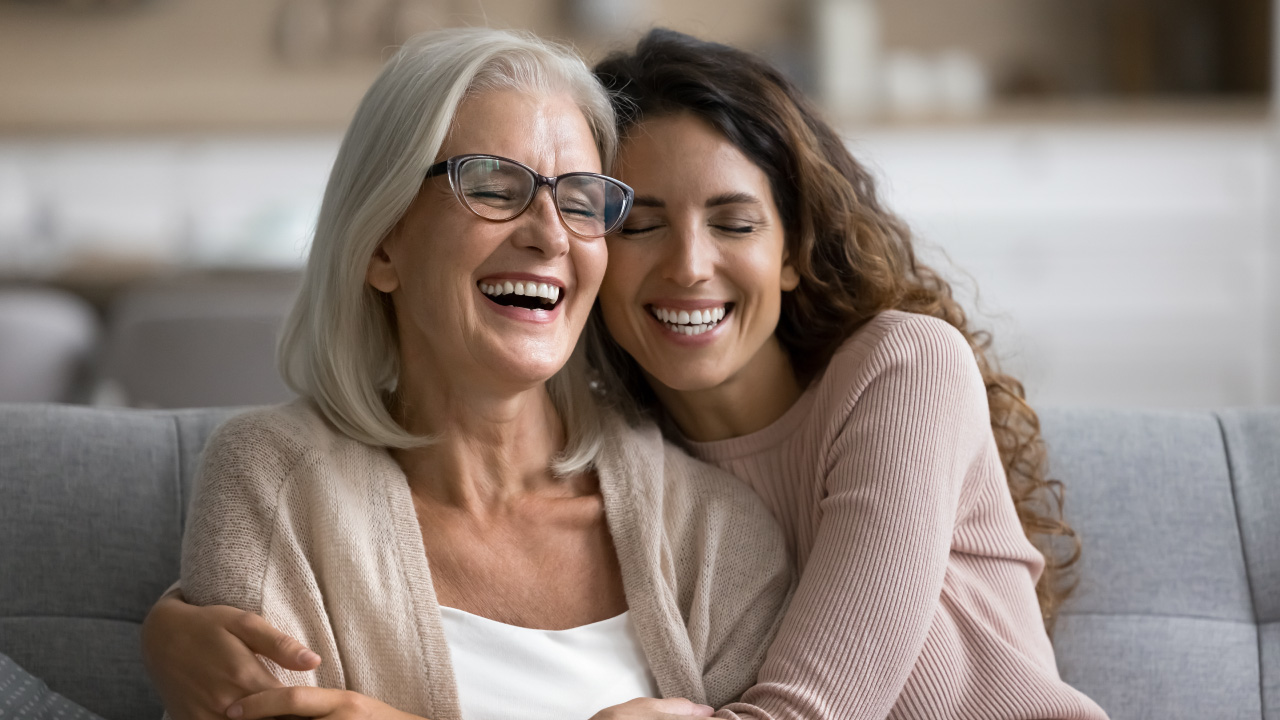
Communicating with an elderly person takes more than speaking clearly; it requires empathy, patience and adaptation. As we age, our bodies undergo physical, cognitive and emotional changes, and these can alter the way we understand and interact with those around us. It is essential to adapt our communication so that the message conveyed is understood and well received.
Key points of the article
- The importance of adapting communication in old age
- Common barriers: hearing, sight, memory and emotional factors
- Effective strategies: clear language, active listening and non-verbal communication
- Adapting to different settings: healthcare, home and public services
- Useful resources for carers and professionals.
Why is it important to adapt communication in old age?
In order to preserve autonomy, self-esteem and quality of life in old age, it is essential to adapt the way we communicate when speaking with this group. An empathetic, effective interaction can reduce feelings of isolation and prevent misunderstandings, whether in healthcare or family settings. What matters is respecting each person’s needs and difficulties.
The main barriers to communicating with the elderly
Hearing and visual impairment
Over the years, hearing or sight loss is fairly common and makes it harder to perceive words, facial expressions or even body language. You need to be careful not to speak too fast, too quietly or with your back turned, in order to make communication effective.
Cognitive changes
Alzheimer’s and dementia are examples of common conditions that affect attention, memory and even judgement. This can cause frustration both for the elderly person and for the person trying to communicate with them, calling for a more patient and structured approach.
Emotional and social factors
Loneliness, isolation and the loss of loved ones can affect an elderly person’s emotional state and reduce their willingness to communicate. The difficulty of “not following the conversation” can cause embarrassment or even fear and interfere with the interaction.
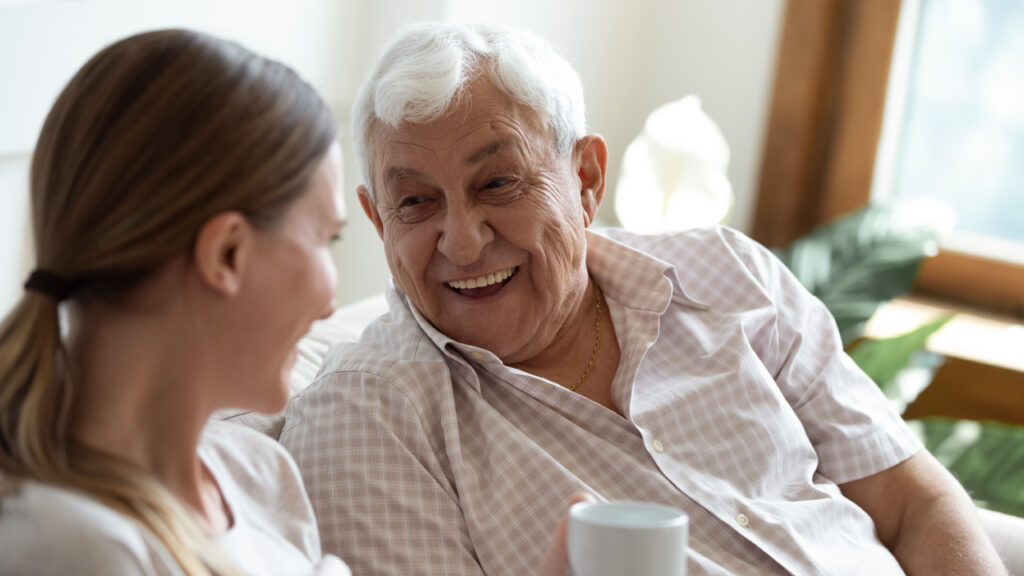
Effective strategies for communicating with elderly people
Adopting certain strategies makes communicating with an elderly person easier. Here are a few examples.
Using clear, unhurried language
Using complex sentences or slang can make it harder for an elderly person to understand. The key is to speak slowly, in a calm tone of voice, and to articulate your words well. It is important to give the elderly person time to process the information and respond. Don’t become impatient.
Valuing active listening
It may seem basic, but it is important to show that you are listening: keep eye contact and nod along. Active listening conveys empathy, trust and mutual respect — all of which are fundamental to good communication.
Paying attention to non-verbal communication
Non-verbal communication is just as essential as verbal communication. Keeping a calm posture, eye contact and gentle gestures reinforces the message you convey with words. A simple smile, a serene expression or a gentle touch can make an elderly person feel respected, safe and understood.
How to adapt communication in specific settings
- Hospitals and healthcare. Health professionals should use simple words, check that the information has been well received and allow the elderly person to ask questions
- Family settings. Keep a calm, welcoming environment. Encourage the sharing of stories to strengthen emotional bonds, and remember to allow time to respond.
- Public services and customer support. Service should be patient and, where necessary, provide written support. Professionals trained to deal with this age group are fundamental to the quality of the service provided.
Useful resources for professionals and carers
Some important resources that professionals and carers should make use of are:
- Training in geriatric communication
- Practical guides and manuals from institutions such as the DGS (Directorate-General for Health) or the Alzheimer Portugal Association
- Support groups and online communities where carers can share experiences and good practice
- Visual and auditory support tools, such as communication boards, amplifying devices or adapted mobile apps.
Whether you are a professional, a carer or a family member, communicating with empathy with the elderly is a gesture of respect and humanity. It is through this attentive listening and genuine presence that they feel truly welcomed and included — something essential at any moment in life, but especially at this delicate and precious stage.
Read our informative PDF on how to communicate with an elderly person.
Important links on this topic:
The contents of this blog are informative. They do not replace medical diagnosis or treatment. Always consult a health professional.
Need non-emergency patient transport?
Ambula handles everything — with comfort, punctuality and care.
Book a transport