
COPD: the cough that should not be ignored
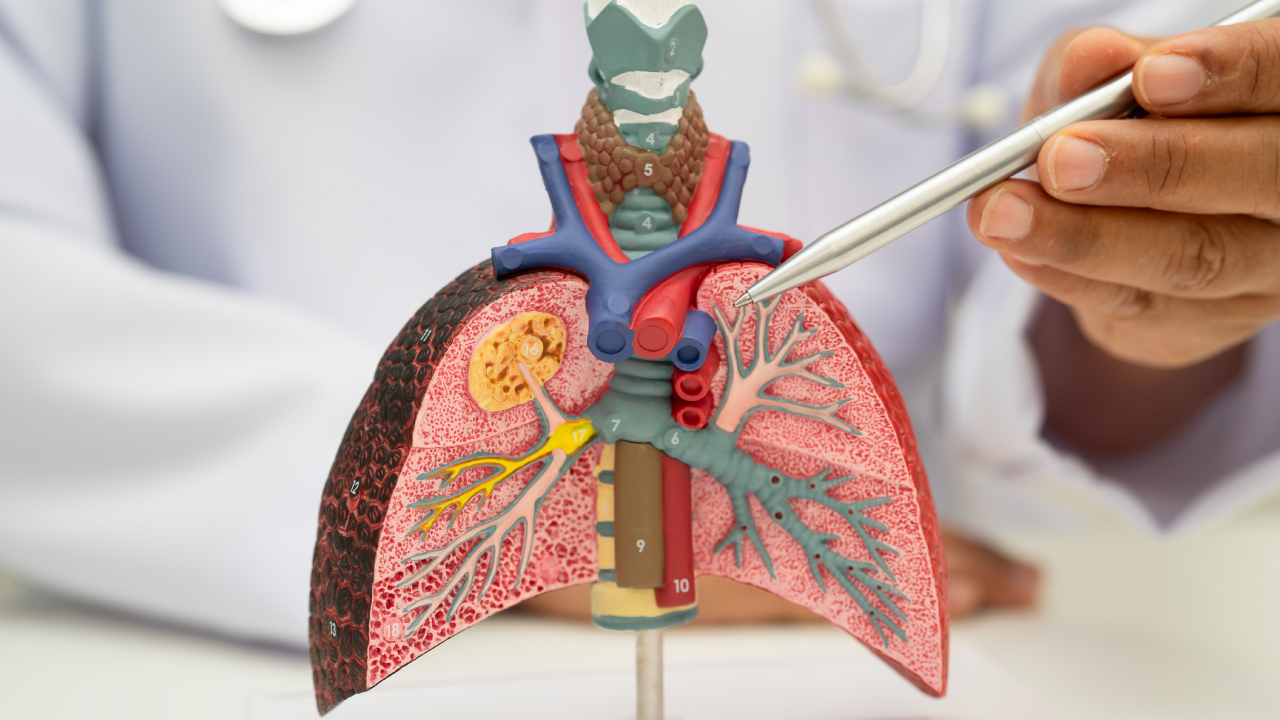
Did you know that there are around 800,000 people with COPD in Portugal and that 7 in 10 do not even know they have the disease?
The thing is, the signs often just seem like everyday tiredness: a persistent cough, breathlessness when climbing stairs, the chest that tightens in the cold. The body keeps coping, until breathing is no longer quite so simple. And it is at that moment that COPD is discovered – an invisible but very real disease that needs to be recognised before it advances in silence.
Key points of the article
- COPD is a chronic, progressive respiratory disease that affects around 800,000 people in Portugal
- A persistent cough, breathlessness and tiredness are common symptoms, but are often ignored
- The main cause is smoking, although exposure to dust, fumes and genetic factors can also contribute
- Diagnosis is made with spirometry, but 70% of cases remain unidentified
- It has no cure, but it can be slowed with appropriate treatment, pulmonary rehabilitation and lifestyle changes
- Prevention, early diagnosis and follow-up are essential to improving quality of life.
COPD: what is it?
It is not a single disease, but rather an “umbrella” that brings together two chronic respiratory conditions: chronic bronchitis and pulmonary emphysema. Both cause obstruction of the airways, making it harder for air to pass through and turning breathing into a real effort.
The obstruction does not go away on its own and worsens over time, especially if it is not diagnosed and monitored. But it is not all bad news: with the right treatment and a few lifestyle changes, it is possible to live better with COPD.
Causes and risk factors
The big villain has a well-known name: tobacco. Smoking, over the years, is the main cause of COPD.
But there are more factors to bear in mind:
- Exposure to dust, fumes and chemicals, especially in workplaces
- Air pollution, particularly in urban areas
- Smoke from open fires, common in poorly ventilated homes in rural areas
- Frequent respiratory infections in childhood
- Family history or a genetic deficiency (such as the absence of the alpha-1 antitrypsin protein, rare but relevant).
It is worth stressing: not all smokers develop COPD, but the longer and the more someone smokes, the greater the risk. And, of course, those who already have asthma or other respiratory diseases are even more vulnerable.
COPD: symptoms
COPD sets in slowly, often silently. For that reason, the first symptoms are easily dismissed. But there are signs to watch out for:
- A chronic cough, dry or with phlegm (often blamed on smoking and therefore ignored)
- Wheezing (a high-pitched sound when breathing)
- A feeling of tightness in the chest
- Breathlessness (dyspnoea), first on exertion, then even at rest
- Constant tiredness and limitations in daily activities
- In more advanced stages: anxiety, weight loss, frequent respiratory infections and even a bluish colouring of the fingers (a sign of lack of oxygen).
How is the diagnosis made?
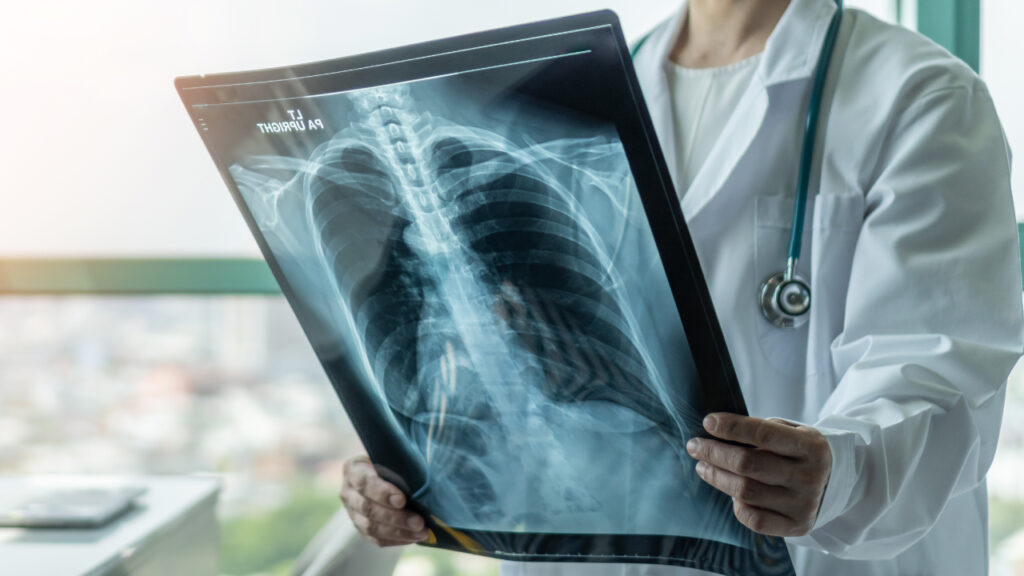
The progression is slow but continuous, and that is why identifying the problem early makes all the difference. The test most commonly used to confirm the diagnosis is spirometry – a simple but essential test that measures the amount of air the lungs can breathe in and out. It can also be supplemented with:
- A chest X-ray or CT scan (to detect emphysema and rule out other diseases)
- Blood tests and arterial blood gas analysis (to measure oxygen and carbon dioxide levels)
- Assessment of alpha-1 antitrypsin genetic deficiency, in suspected cases.
If there is a persistent cough, phlegm, tiredness and a history of smoking or exposure to irritants, it is always worth booking an appointment with a respiratory consultant.
COPD in Portugal: the weight of the figures and the experts’ warning
Despite affecting around 800,000 people in Portugal, COPD remains largely unknown to the public. It is estimated that 70% of cases go undiagnosed, which means that many patients receive neither follow-up nor appropriate treatment. And this has serious consequences: in 2022 alone, respiratory diseases caused more than 12,000 deaths in the country, and experts warn that they could become the leading cause of death by the end of the decade.
This situation has led to the creation of several awareness-raising and research initiatives, such as the Fórum Saúde Respiratória 2025 (Respiratory Health Forum 2025), which calls for an integrated response to the respiratory disease crisis, and the new national study promoted by the Sociedade Portuguesa de Pneumologia (the Portuguese Respiratory Society) and by AstraZeneca Portugal, which will help map the clinical and therapeutic profile of COPD patients in Portugal. The aim is clear: to improve early diagnosis, personalise care and ensure a fairer and more accessible response for the population.
COPD GOLD: what is it and how is it measured?
The GOLD classification (Global Initiative for Chronic Obstructive Lung Disease) is used internationally to assess the degree of obstruction and guide treatment, and it helps doctors choose the most appropriate treatment plan for each patient.
It is based on spirometry results and divides COPD into four stages:
- GOLD 1 (Mild): mild symptoms, little impact on daily life
- GOLD 2 (Moderate): more breathlessness, limitations on physical exertion
- GOLD 3 (Severe): greater functional limitation and risk of flare-ups
- GOLD 4 (Very severe): constant symptoms and risk of respiratory failure.
Treatment of COPD
COPD has no cure, but it does have treatment. And the sooner it is started, the greater the benefits.
Essential measures
- Stop smoking. It is the most important step and the only one that can halt the progression of the disease;
- Avoid polluted environments or those with toxic fumes
- Annual vaccination against flu and pneumococcal disease, to prevent infections
- Respiratory physiotherapy and pulmonary rehabilitation, which help recover physical and respiratory capacity.
Available medicines
- Bronchodilators (short- or long-acting inhalers): help open the airways and make breathing easier
- Inhaled corticosteroids, which reduce inflammation and prevent flare-ups
- Antibiotics, when there are respiratory infections
- Oxygen therapy, in cases where oxygen levels are low
- Non-invasive ventilation (with a mask), in more serious situations.
In the most advanced cases, lung volume reduction surgery may be considered or, as a last resort, a lung transplant.
What is the life expectancy of a COPD patient?
More than counting years, what matters is improving the days. Life expectancy after diagnosis depends on several factors: age, the severity of the disease, the presence of other conditions and, above all, whether the person continues to smoke. In general:
- Those with mild to moderate COPD who keep the disease well controlled can live many years with a good quality of life
- In the more advanced stages, the prognosis is more guarded, but the right treatment can prolong life and improve symptoms.
Living with COPD: adapting the body, caring for the mind and carrying on
Living with COPD requires adjustments. It is true that the disease imposes limits (on the body, on one’s breath, on routines) but it is also true that there is much that can be done to make daily life lighter, easier to breathe through.
And it is not just about medication. Caring for body and mind makes all the difference:
- Learning breathing techniques, with the help of a physiotherapist, can help you better manage the moments of greatest difficulty
- Taking regular physical exercise, adapted to each person’s ability, helps maintain mobility and muscle strength
- Eating a balanced diet, which avoids weight loss or excess fat, improves energy and breathing capacity
- Avoiding places with smoke or pollution is essential to protect the lungs
- Looking after your emotional health, by talking about your fears and seeking psychological support, can ease the burden of the anxiety that so often accompanies breathlessness.
Breathing may take more effort, but it remains possible. And every breath counts. If you suspect you may have COPD, do not put it off. A timely diagnosis can change everything. And if you already live with the disease, remember: there is always a way to look after yourself, adapt and carry on living.
Need non-emergency patient transport?
Ambula handles everything — with comfort, punctuality and care.
Book a transport