
Depression in the elderly: the invisible pain we should not ignore
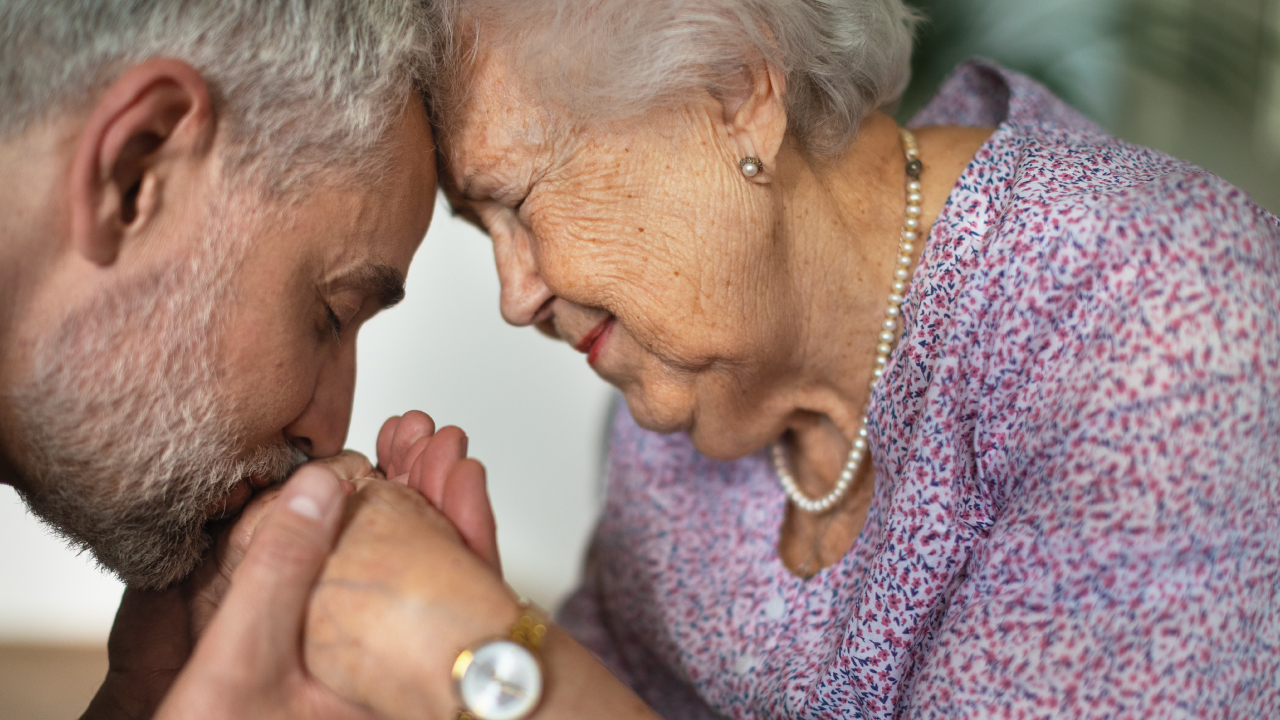
Becoming quieter, losing interest in the little things or withdrawing from the people you love… At first glance, it may seem like “just old age”. But, very often, it is more than that. Depression in older people exists – and it is not always obvious at first. The signs can be subtle, confusing, even silent. But the impact is real and profound.
So often mistaken for the “normal” part of ageing, it ends up staying hidden. But it shouldn’t. Because the suffering is real, and treating depression can give back meaning, pleasure and even hope to those who already thought their best days were behind them.
Key points of the article
- Depression is not a natural consequence of ageing and can go unnoticed in older people
- The symptoms do not always include sadness — they can appear as physical pain, apathy or isolation
- Factors such as loneliness, chronic illness and loss of autonomy increase the risk
- Early diagnosis and appropriate treatment (medication, psychotherapy and social support) significantly improve quality of life
- Prevention involves promoting an active, healthy lifestyle with a connection to the community
- There are support lines available for anyone who needs help or guidance.
What, then, is depression in old age?
Depression is not just a phase of sadness, nor a sign of weakness. It is a deep emotional disorder that affects the way a person thinks, feels and lives. And when it appears in old age, it can be even harder to recognise, both for the person experiencing it and for those around them.
Often, it does not show itself with tears or sad words, but rather with prolonged silences, pain with no cause, constant tiredness or an apathy that gradually takes over the days. Instead of saying they are sad, many older people only say they are tired, that they are in pain, or that they no longer have the patience for anything. That is why so many symptoms end up being mistaken for the “normal” part of ageing – and go unnoticed.
Which countries suffer most from depression?
A DREES study, based on the 2019 European Health Interview Survey (EHIS), revealed that France had, before the pandemic, the highest rate of depression in Europe, with around 11% of the population affected.
Portugal, for its part, had one of the highest rates of chronic depression, according to Eurostat, with 12.2% of the population reporting symptoms, surpassed only by Slovenia. More recently, a 2023 OECD report reinforces that Portugal is among the countries with the highest levels of anxiety and depression in the European Union.
Why does depression affect so many older people?
The truth is that ageing brings profound changes: the loss of friends or a life partner, retirement, social isolation, the onset of chronic illness or the feeling that one no longer “belongs” to the active world. All of this can deeply affect mental health.
In Portugal, according to data analysed up to 2023, studies indicate that around 15% of older people may have depressive symptoms. And this figure rises to 30% in institutional settings, such as care homes or hospitals.
It is also more common among older women and among older people with multiple health problems. But it is not inevitable. And it should not be ignored.
Symptoms of depression in the elderly: what to look out for
The signs are not always the classic ones, and there are also cases where depression is confused with dementia, especially when there is forgetfulness, slowed thinking and disorientation.
Here are some of the most common symptoms in old age:
- Social isolation and a lack of interest in being with other people
- Constant fatigue or lack of energy
- Physical pain with no medical explanation
- Insomnia or excessive sleep
- Significant weight loss or gain
- Difficulty concentrating or making decisions
- Feelings of guilt or worthlessness
- Recurrent thoughts about death.
What are the main risk factors?
Depression in old age rarely has a single cause. Often, it arises from the accumulation of losses, changes and silences. It is the body growing weaker, the loneliness that grows, life slowing down. These are biological, psychological and social factors that, together, make the days harder to face.
In older people, the most common are:
- The loss of a spouse or friends
- Retiring and losing one’s purpose or routine
- Living alone or with little family support
- Financial problems or difficulties in maintaining autonomy
- Chronic illnesses such as diabetes, stroke or heart disease
- Prolonged use of certain medications
- A previous history of depression.
How is depression in the elderly diagnosed and treated?
The good news? Yes, depression can be treated, even in older people.
The first step is to recognise the symptoms and seek medical help. The diagnosis is clinical, made through an assessment of the symptoms and, at times, with the support of scales validated for the older population.
Then, treatment may involve:
- Antidepressant medication, always adjusted to the person’s age and other health conditions
- Psychotherapy, in particular cognitive behavioural therapy, which has shown good results
- Regular physical activity, which helps release hormones linked to wellbeing
- Socialising and taking part in activities, to break the isolation
- Family and community intervention, essential for creating an environment of support and safety.
In more serious or resistant cases, therapies such as electroconvulsive therapy (ECT) or transcranial magnetic stimulation may be considered.
Prevention: small changes that make a difference
It is possible to prevent (or at least reduce) the risk of depression in old age. How? Through healthy habits and routines:
- Encouraging regular physical exercise, even if gentle
- Maintaining a balanced diet
- Creating routines that include moments of pleasure, companionship and purpose
- Encouraging participation in cultural, recreational or volunteering activities
- Regularly monitoring physical and mental health.
The most important thing? Being present. Listening. Validating feelings. And acting on warning signs.
How can you help an elderly person with depression?
Helping an elderly person with depression begins with something simple but essential: being present. Often, the greatest gesture is to listen without judging, to show that you are there, even when words are lacking. But there is more you can (and should) do.
- Take the signs seriously. Mood changes, isolation, constant physical complaints or loss of interest in activities are warnings that should not be ignored
- Encourage them to seek professional help. It is not always easy, but it is essential.
- Booking an appointment, accompanying the elderly person and showing that they are not alone can make all the difference
- Support the treatment. Depression can be treated, but it requires follow-up.
- Helping to keep appointments, follow the medication and take part in therapies is an active form of care
- Encourage simple routines and activities. Inviting them for a walk, watching a film together or even preparing a meal can bring back small moments of pleasure
- Avoid minimising their feelings.
- Phrases such as “it will pass” or “you have to snap out of it” can deepen the feeling of being misunderstood. It is better to listen and validate what the elderly person is feeling
- Encourage contact with other people. Socialising is a powerful tool.
- Encouraging time with friends, family or community groups can break the cycle of isolation.
Above all, it is important to remember that depression is not a failing — it is an illness. And like any other, it deserves attention, empathy and treatment. The sooner you act, the greater the chances of recovering quality of life.
And when extra support is needed?
There are moments when, however close family and friends may be, it is not enough. When the suffering becomes heavier, it is important to know that there are hands reaching out, ready to listen, guide and support, safely and without judgement.
In Portugal, there are free and confidential support lines that can be a precious help:
- SNS 24 Line – 808 24 24 24 (with psychological support included)
- SOS Voz Amiga Line – 213 544 545 / 912 802 669 / 963 524 660 (every day from 3.30pm to 12.30am)
- National Institute of Medical Emergency (INEM, Portugal’s emergency medical service) – 112 (in emergency situations)
- National Network for Integrated Continuing Care – National Health Service
- Novo Cuidar Association – home support and personalised follow-up.
These structures exist to support, guide and, very often, save lives.
Need non-emergency patient transport?
Ambula handles everything — with comfort, punctuality and care.
Book a transport