
Diabetes symptoms: How to recognise the signs and act in time
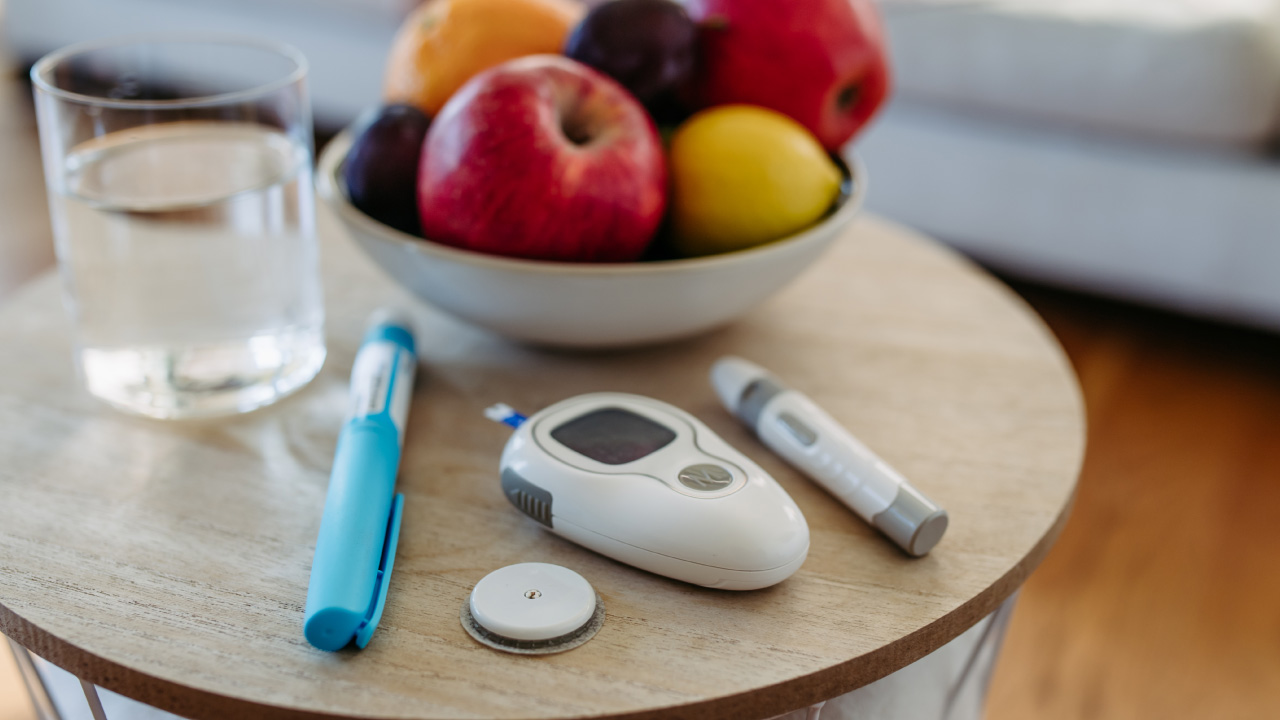
There are signs we keep explaining away: "it must be stress", "I''ve been sleeping badly", "it''s just my age". But when the thirst will not go away, the tiredness builds up and the vision starts to become blurred, the body may be telling you something more serious, and diabetes is one of the possibilities.
Diabetes is far more common than people think: worldwide, it is estimated that around 43% of adults with diabetes are still undiagnosed, according to the IDF Diabetes Atlas 2025 from the International Diabetes Federation. This means that many of the symptoms are ignored or mistaken for simple tiredness or everyday wear and tear.
This article will help you to recognise the symptoms, understand why they arise and know when to act.
Key points of the article
- Diabetes can be silent or show clear signs such as thirst, urinating a lot, tiredness, constant hunger and blurred vision
- Type 1 diabetes appears quickly; type 2 develops slowly and easily goes unnoticed
- Pre-diabetes is a warning stage that can be reversed with lifestyle changes
- Hyperglycaemia (high sugar) and hypoglycaemia (low sugar) require early recognition, especially in those already undergoing treatment
- Diagnosis is made with tests such as fasting blood glucose, HbA1c and the OGTT.
What is diabetes and why do the symptoms arise?
To understand the symptoms of diabetes, just imagine that our body runs on energy, and that energy comes from glucose, the sugar that circulates in the blood. After we eat, glucose rises and is supposed to enter the cells to be used.
The "door" that allows it to enter is called insulin, a hormone produced by the pancreas.
When there is diabetes, this process is impaired. And this can happen in two ways:
- The body stops producing enough insulin (as in type 1)
- Or the cells stop responding properly to insulin (as in type 2), due to insulin resistance.
In both cases, the glucose cannot enter the cells and ends up "trapped" in the blood. The cells are left without energy and the body tries to compensate: thirst increases, more urine is produced, nutrients are taken from other tissues and the functioning of various organs is altered.
It is this combination (too much glucose in the blood + cells working "under strain") that gives rise to the typical symptoms: intense thirst, tiredness, constant hunger, weight loss, blurred vision and, later, changes in the skin, feet, kidneys and eyes. In Portugal, diabetes is one of the chronic illnesses with the greatest impact on the adult population, and is recognised as one of the Priority Health Programmes by the Directorate-General of Health (DGS – Direção-Geral da Saúde), through the National Programme for Diabetes.
How blood sugar affects the body
When glucose stays in the blood for too long, the body goes into compensation mode. First, it tries to get rid of the excess through urine, which is why constant thirst, a dry mouth and the need to urinate more often arise. This process, as well as causing dehydration, makes the body lose essential mineral salts, which contributes to the feeling of tiredness and weakness.
If this imbalance continues, the high sugar begins to slowly damage the blood vessels and nerves. This is where deeper consequences arise: vision becomes more sensitive, the skin heals with difficulty, the kidneys work under strain and the feet may lose sensation. In the long term, the heart and brain also become more vulnerable.
Type 1 diabetes symptoms: signs that appear quickly
With this picture in mind, it becomes easier to understand why the body reacts in certain ways. And, in type 1 diabetes, these reactions are not slow to show themselves. Type 1 diabetes usually appears suddenly, especially in children, adolescents or young adults, but it can arise at any age. As the pancreas stops producing insulin over time, the symptoms appear quickly and strongly.
Abnormal thirst and dry mouth
Nothing seems to quench the thirst; the child or young person drinks more water than ever and still has a dry mouth.
Urinating frequently and in large amounts
Trips to the toilet increase greatly, including during the night.
Constant hunger with weight loss
Even when eating more, the weight drops quickly, because the body cannot use the energy from food.
Extreme fatigue
There is an obvious drop in energy, drowsiness and a tiredness that does not match the level of effort.
Blurred vision
High glucose alters the focus of the eyes, causing moments of blurred vision.
When these symptoms are accompanied by nausea, vomiting, abdominal pain or rapid breathing, it may be diabetic ketoacidosis, a medical emergency.
Type 2 diabetes symptoms: more subtle and gradual signs
Type 2 diabetes sets in slowly, often over years. It is common for the first signs to go unnoticed and, for this reason, the illness may already be advanced when it is discovered.
Persistent thirst and dry mouth
A gradual increase in thirst, often attributed to the heat, work or stress.
Increased frequency of urination
More trips to the toilet, especially at night.
Unexplained tiredness
A tiredness that does not go away with rest, accompanied by a loss of energy and difficulty concentrating.
Numbness and tingling in the feet and hands
High blood sugar affects the peripheral nerves, causing numbness, "pins and needles" and a burning sensation.
Slow healing
Small wounds that take longer than usual to heal.
Recurrent infections
Urinary tract infections, gum inflammation, thrush or skin infections can become more frequent.
Pre-diabetes: silent symptoms you should not ignore
Pre-diabetes is a state of alert: it is not yet diabetes, but it is a sign that the body is already having difficulty using insulin efficiently. Blood glucose rises discreetly, not enough for a diagnosis of diabetes, but above what would be considered healthy.
The big challenge? It barely produces any symptoms.
That is why so many people spend months or years at this stage without realising it.
Even so, the body may leave some subtle messages:
- A tiredness that seems out of proportion to the effort
- A greater tendency to gain weight, especially around the abdomen
- Slightly more frequent thirst or a slightly increased need to urinate
- Small episodes of blurred vision after very sugary meals
- And, in many cases, the appearance of acanthosis nigricans, dark, velvety patches on the skin (usually on the neck, armpits or groin), indicating insulin resistance.
It is at this stage that prevention makes the biggest difference. Pre-diabetes can be reversed or stabilised with small lifestyle changes: more movement, small amounts of weight loss, adjustments to diet and more balanced routines. The sooner it is identified, the greater the chance of halting the progression to type 2 diabetes.
Blood glucose values between 100–125 mg/dL
When fasting blood glucose is between 100 and 125 mg/dL, the body is already giving a warning sign. These values are not high enough for a diagnosis of diabetes, but nor are they within the normal range. This is what is known as pre-diabetes, an intermediate stage in which blood sugar begins to rise because the body is having difficulty using insulin as it should.
Put simply:
- Below 100 mg/dL: considered normal
- 100–125 mg/dL: pre-diabetes (risk stage)
- 126 mg/dL or more: probable diabetes (needs confirmation).
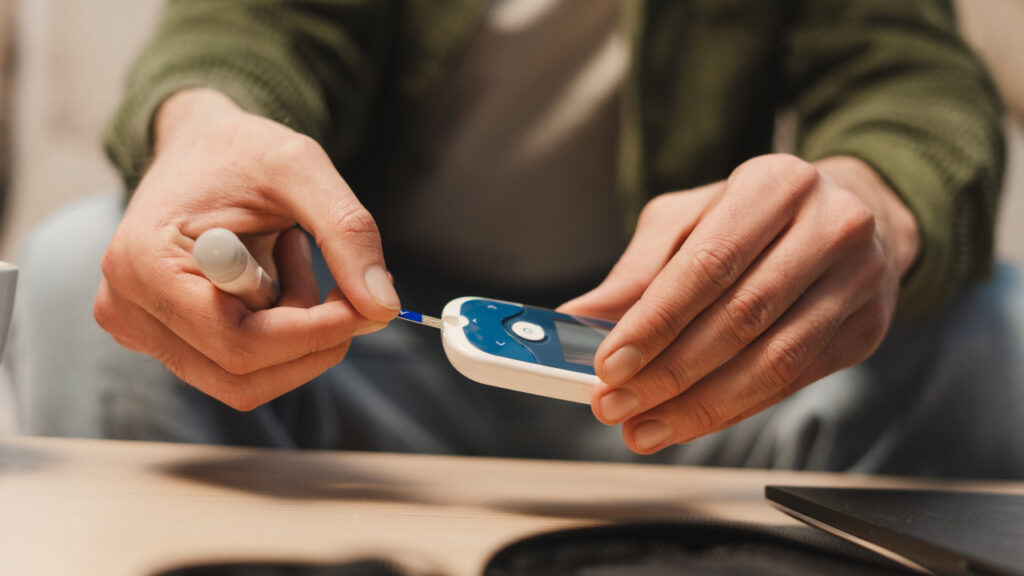
Hyperglycaemia symptoms: when sugar is high
Hyperglycaemia can happen before diagnosis or in people already being treated but whose blood sugar is not well controlled.
Signs that may arise
- Intense thirst
- Dry mouth
- Blurred vision
- Marked tiredness
- Passing a lot of urine.
Most of the time, these symptoms appear together and are a sign that glucose is well above what is desirable.
Hypoglycaemia symptoms: when sugar drops too low
Hypoglycaemia mainly affects people who take insulin or some antidiabetic medications. The sudden drop in sugar levels causes very characteristic symptoms.
Quick warning signs
- Trembling
- Cold sweats
- Palpitations
- Sudden hunger
- Dizziness
- Irritability or confusion.
It is important to act quickly: take a source of simple sugar and measure again.
When to see the doctor: urgent warning signs
Although many diabetes symptoms can arise discreetly, there are situations in which the body is not just warning you, it is asking for immediate help. Recognising these signs can prevent serious complications, especially in the case of type 1 diabetes and severe hypoglycaemia.
A combination of several symptoms
Constant thirst, very frequent trips to the toilet, rapid weight loss and extreme tiredness are a classic set of signs of very high blood sugar.
On their own, each symptom may go unnoticed, but when they appear at the same time, the risk of a decompensation is high. This combination indicates that the body is no longer managing to control the sugar in the blood and needs a medical assessment as soon as possible.
Symptoms in children and adolescents
In children, everything happens more quickly. If a baby, child or adolescent starts to lose weight unexpectedly, feel very thirsty and wake several times during the night to urinate, it is reason to act quickly.
These signs may be the start of type 1 diabetes, which develops suddenly and can lead to diabetic ketoacidosis within a few hours. For this reason, faced with these symptoms, the assessment should be carried out the same day.
Vomiting, abdominal pain or fainting
When persistent vomiting, intense abdominal pain, rapid breathing or episodes of confusion and fainting arise, the body is sending out a serious warning. These signs may indicate the onset of diabetic ketoacidosis, a serious complication, especially in type 1 diabetes, which happens when the body, without enough insulin, starts to produce excess acids in an attempt to obtain energy.
In people who already take insulin or certain antidiabetic medications, these same symptoms can also be the result of severe hypoglycaemia, a situation in which glucose drops so low that the brain no longer receives enough energy. In these cases, trembling, marked irritability, difficulty speaking and, in more advanced situations, loss of consciousness or seizures may arise.
Faced with any of these signs, the rule is simple: do not wait to see if it passes. These are situations that require immediate assessment at a hospital A&E.
How is diabetes diagnosed?
The symptoms raise a suspicion, but the diagnosis is only confirmed through tests. The aim of these tests is to understand how the body is dealing with blood sugar and whether the values are within the normal range.
Glycated Haemoglobin Test (HbA1c)
This test does not look at a single moment, but rather at the average sugar levels over the last two to three months. It is a broad snapshot of blood sugar control.
Values equal to or above 6.5% usually indicate diabetes. It is one of the most widely used tests for diagnosis and monitoring.
Even so, it is important to remember that HbA1c can be influenced by other conditions, such as anaemia, blood disorders, pregnancy or some kidney problems. For this reason, the interpretation of this result should always be done by a healthcare professional, taking into account each person''s clinical context.
Fasting Blood Glucose
It is perhaps the simplest and quickest test. After 8 to 12 hours without eating, the blood glucose value is measured.
- Normal: below 100 mg/dL
- Pre-diabetes: 100–125 mg/dL
- Diabetes: 126 mg/dL or more (confirmed in two measurements).
This test is often the first step when the question arises: "Do I have diabetes?"
Oral Glucose Tolerance Test (OGTT)
Widely used in gestational diabetes, but also useful in other cases. The test measures fasting blood glucose, then the person drinks a sugary liquid and, two hours later, takes another measurement. It is essential that the entire procedure is followed to the letter (adequate fasting, complete intake of the solution and the correct waiting time) because, otherwise, the results may not be reliable.
The aim is to understand how the body reacts to a concentrated load of sugar. When the body cannot process glucose effectively, it builds up in the bloodstream, and this response is decisive in confirming or ruling out a diagnosis of diabetes.
Random Glucose Test
Unlike the other tests, this one can be done at any time of day, with or without fasting.
When there are obvious symptoms such as extreme thirst, urinating a lot, intense tiredness or weight loss, values equal to or above 200 mg/dL are a strong indicator of diabetes and warrant an immediate assessment.
Diabetes is not just about numbers or test results: it is an ongoing conversation between the body and the person who lives in it. Listening to these signs, even the ones that seem small, is an act of care. The sooner you understand what is happening, the more room you gain to live with peace of mind, conscious choices and good health. The first step is always simple: pay attention.
The content of this blog is for information purposes. It does not replace medical diagnosis or treatment. Always consult a healthcare professional.
Need non-emergency patient transport?
Ambula handles everything — with comfort, punctuality and care.
Book a transport