
Eczema vs psoriasis: how to tell these skin conditions apart
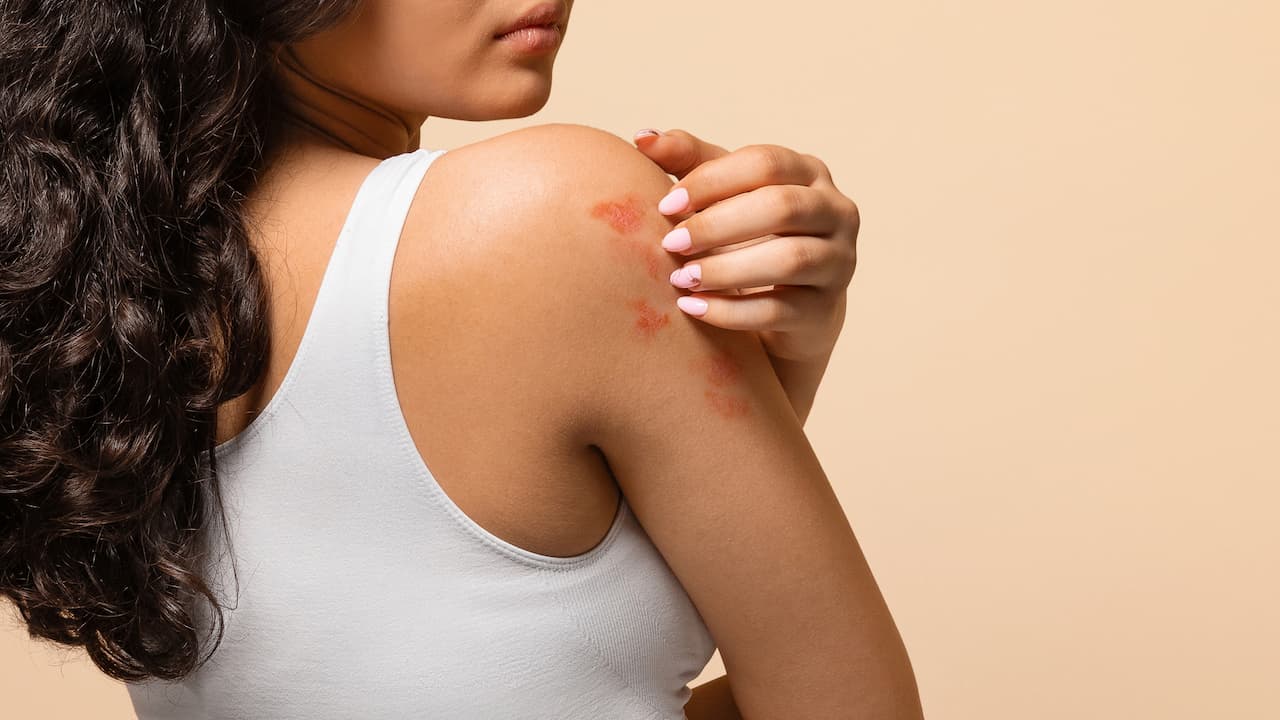
Eczema and psoriasis are chronic skin conditions that can look similar, both causing redness, itching and skin lesions, but they arise from different causes, require different treatments and affect specific areas of the body.
It is important to point out that neither of these conditions is contagious, nor do they develop through a lack of hygiene.
Throughout this article, we will help you understand the differences between these two conditions.
Key points of the article
- Differences between eczema and psoriasis: causes, symptoms and affected areas
- Types of eczema and the main aggravating factors
- How to identify and treat psoriasis
- Daily care and ways to prevent flare-ups
- Available treatments: from moisturising to immunological therapies
- Real-life accounts from people living with these conditions
- When you should see a dermatologist.
What is eczema?
To set the scene, eczema (also known as atopic dermatitis) is an inflammation that causes dryness, irritation and a great deal of itching, appearing in alternating periods of flare-ups and remission. It is one of the most common skin conditions, especially in babies and children, but it can also appear in adulthood.
Two types of eczema stand out:
1. Atopic Dermatitis
Cause: genetic / immunological
Usual age: childhood
Location: skin folds, face, hands
Duration: chronic
Symptoms: itching, redness, dryness
2. Contact Dermatitis
Cause: an external substance (allergen or irritant)
Usual age: any age
Location: the area of direct contact
Duration: temporary (if the trigger is avoided)
Symptoms: redness, blisters, itching
Causes of eczema
These causes are not fully understood; they involve various factors, both genetic and immunological, as well as certain environments. People with eczema have a more fragile skin barrier, which makes it easier for allergens to get in, and there are some factors that make it more likely to appear.
Common factors:
- Allergies (dust mites, pollen, food)
- Cold and dry weather. Stress
- Synthetic clothing or harsh detergents
- Genetics.
Symptoms of eczema
- Redness and dryness of the skin
- Intense and persistent itching
- Cracks and crusts
- Lesions located in the skin folds (elbows, knees, neck).
Treatment of eczema
The most important step is to deeply moisturise your skin to reduce the inflammation. However, in more serious cases, medication may be needed.
Examples of treatment:
- Emollients and moisturising creams
- Topical corticosteroids
- Antihistamines (to relieve the itching)
- Avoiding triggers
Preventing eczema
To prevent eczema flare-ups:
- Follow the treatment plan recommended by your dermatologist
- Avoid scratching the affected areas so as not to worsen the lesions
- In colder weather, protect your hands with gloves
- Use gentle products and pat the skin dry with light touches, without rubbing
- Moisturise the skin several times a day (especially after bathing)
- Opt for showers with lukewarm water
- Drink water throughout the day to keep the skin hydrated from within
- Wear cotton clothing or natural, breathable fabrics
- Avoid sudden changes in temperature and contact with irritant substances. Reduce stress with activities such as walking, meditation or yoga.
Accounts from people living with eczema
“We do end up feeling sorry for ourselves, it is inevitable. Even though, at the same time, we also feel particularly strong for being able to cope with something like this and overcome it at every moment.” — Ana Paula Correia
Read the full article – taken from “Saberviver”
“I do not know what the future holds, but I have hope.” — Tânia Fernandes (on her 2-year-old son, Lucas)
What is psoriasis?
Psoriasis is an autoimmune and inflammatory disease in which the immune system speeds up the production of skin cells. This process causes the appearance of a kind of thick, reddened plaques covered with whitish scales.
In Portugal, it is estimated that there are more than 200,000 people with psoriasis, according to the Associação Portuguesa de Psoríase (the Portuguese Psoriasis Association). Globally, the disease affects more than 125 million people, around 14 million of them in Europe, according to international estimates.
Causes of psoriasis
The most likely cause of psoriasis is genetic and immunological. It is not contagious, but it can be triggered or worsened by external factors.
Common factors:
- Physical or emotional stress
- Infections (e.g. tonsillitis). Certain medicines (such as beta blockers)
- Skin injuries (the Koebner phenomenon).
Symptoms of psoriasis
- Red plaques with white or silvery scales
- Thick, well-defined lesions
- It can affect the nails (changes in colour and texture)
- Joint pain or stiffness (in cases of psoriatic arthritis).
Treatment of psoriasis
The treatment of psoriasis aims to: reduce inflammation, slow down cell renewal and relieve the symptoms.
Common treatments:
- Creams with corticosteroids or calcipotriol
- Phototherapy (controlled UV light)
- Immunomodulatory medicines (in moderate to severe cases)
- Attention to moisturising and moderate sun exposure.
Preventing psoriasis
To prevent psoriasis flare-ups, you should:
- Manage stress. Moisturise the skin daily
- Avoid skin injuries
- Moderate your alcohol intake and do not smoke
- Be careful with certain medicines
- Expose yourself to the sun in a controlled way
- Eat a balanced diet.
An account from someone living with psoriasis
“We go through various stages when it comes to accepting the condition, and I think I have been in the acceptance stage for some time now.” — Rita Felgueiras, 37 years old
Read the full account – “Na tua pele”
“I do not know whether I feel bothered, or sad… but I would rather not have it.” — Luís Carmo, 46 years old
Eczema vs Psoriasis: what are the main differences?
Although they share symptoms such as itching and redness, eczema and psoriasis present some differences:
- Appearance of the lesions: psoriasis has thick plaques with scales, whereas eczema appears as inflamed, dry and itchy skin
- Location: eczema tends to appear in the skin folds, while psoriasis affects exposed areas such as the knees, elbows and scalp
- Origin: eczema is more associated with allergies and sensitivities; psoriasis is an autoimmune disease.
Examining and being aware of these differences allows you to identify the problem more easily and start the right treatment.
When should you see a dermatologist?
The best thing to do is to see a dermatologist if you notice that you have skin lesions that do not go away, persistent itching or discomfort. Being seen by a professional will help you to be diagnosed correctly and receive the most suitable treatment.
Seek medical help if:
- The symptoms interfere with your sleep or daily activities
- The lesions spread or worsen quickly
- The usual treatments are not working. You feel pain or signs of infection.
Whether it is eczema or psoriasis, these inflammatory skin conditions can affect comfort and self-esteem. However, with the right diagnosis, medical follow-up and daily care, it is possible to control the symptoms and significantly improve quality of life.
Important links on this topic:
The content of this blog is for information only. It does not replace medical diagnosis or treatment. Always consult a health professional.
Need non-emergency patient transport?
Ambula handles everything — with comfort, punctuality and care.
Book a transport