
Haemodialysis or peritoneal dialysis? See what sets each method apart.
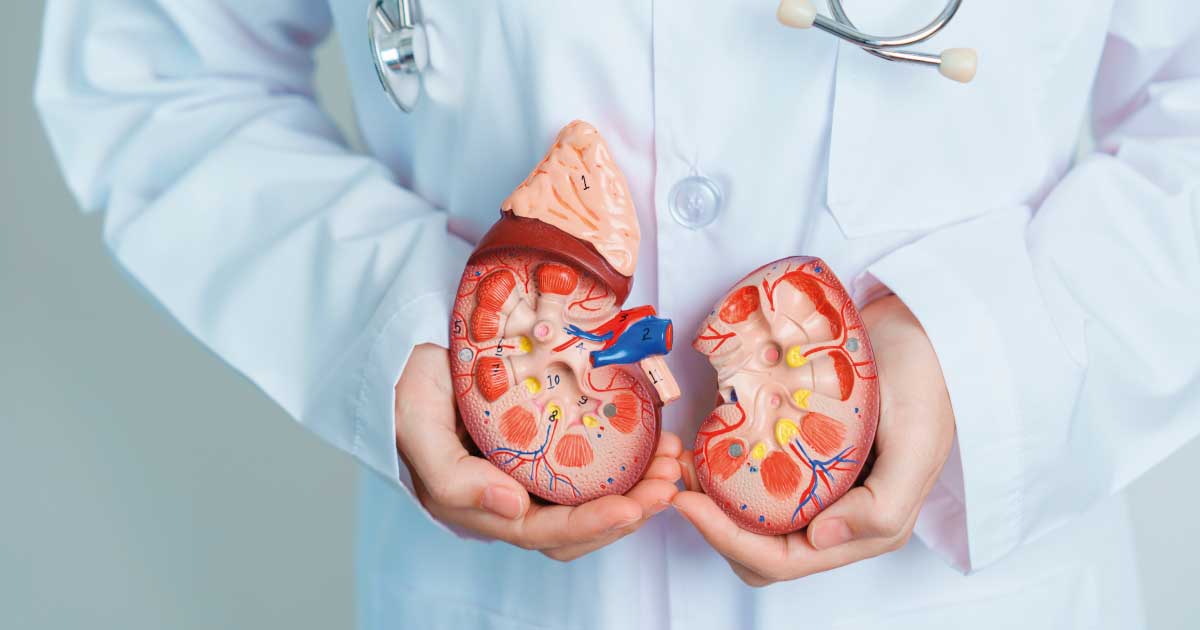
Choosing between haemodialysis and peritoneal dialysis may seem like a complicated decision, but it is, above all, a choice about what best suits the daily life and needs of each patient. Each method has its own particularities, advantages and challenges, and understanding these differences is the first step towards making an informed and confident decision.
So, come with us to explore, in a simple and practical way, what sets these two options apart and how they can affect quality of life in the treatment of kidney failure.
What is dialysis?
It is a treatment that replaces some of the vital functions of the kidneys. Essentially, when the kidneys can no longer eliminate toxins and excess fluid from the body, this procedure becomes essential to maintaining the body’s chemical balance. Dialysis acts as life support, removing metabolic waste, regulating potassium and bicarbonate, and removing accumulated fluid.
Although it does not fully replace all kidney functions, dialysis is essential to prolonging life and ensuring an acceptable quality of life for patients with chronic kidney failure.
What is peritoneal dialysis?
Peritoneal dialysis is an alternative that uses the peritoneal membrane as a natural filter. In this method, a dialysis fluid is introduced into the abdominal cavity through a catheter, allowing toxins and excess fluid to be removed by diffusion and osmosis.
There are two main types of peritoneal dialysis:
- Continuous Ambulatory Peritoneal Dialysis (CAPD): the patient manually carries out several fluid exchanges throughout the day
- Automated Peritoneal Dialysis (APD): a machine carries out the exchanges during the night, providing greater freedom during the day.
This method is mostly carried out at home and offers greater autonomy and flexibility.
What is haemodialysis?
In haemodialysis, the blood is taken out of the body and filtered through a machine, where a dialyser (or “artificial kidney”) removes toxins, excess potassium and accumulated fluids.
This process is usually carried out in dialysis centres or units, three times a week, for around four hours per session. Alternatively, haemodialysis can be carried out at home, although this practice is less common.
Among the advantages of haemodialysis is the ability to rapidly correct metabolic and fluid imbalances. However, it requires vascular access, such as a fistula or catheter, and can cause discomfort such as cramps or low blood pressure.
What are the causes of kidney failure?
- Diabetes is the most common cause, due to high blood sugar levels
- Arterial hypertension (high blood pressure), which damages the blood vessels of the kidneys over time
- Hereditary kidney diseases such as polycystic kidney disease
- Glomerulonephritis (inflammation of the kidney filters)
- Frequent urinary infections that can lead to serious kidney complications
- Excessive use of medication, especially painkillers and anti-inflammatories
- Urinary obstructions caused by kidney stones, tumours or an enlarged prostate.
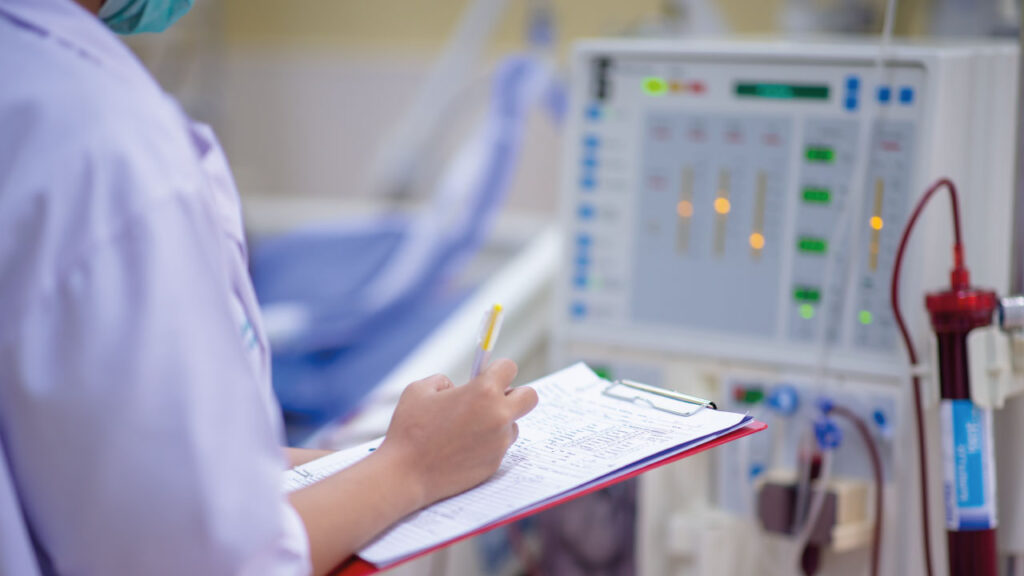
Haemodialysis and peritoneal dialysis: main differences
Both methods have advantages and disadvantages, with the choice depending on factors such as the patient’s state of health, lifestyle and personal preference. See the main differences between them:
When is haemodialysis the best option?
- For patients with chronic kidney failure in advanced stages
- When peritoneal dialysis cannot be carried out due to medical or lifestyle conditions
- Suitable for those who prefer a controlled environment, supervised by healthcare professionals
- Ideal for patients who need rapid removal of toxins from the body.
And for whom does peritoneal dialysis become the best option?
- Patients who wish to carry out the treatment at home and have greater flexibility in their daily lives
- Those who have difficulties with vascular access, making haemodialysis impossible
- People with a stable routine who feel comfortable managing the process independently
- Those who prefer to avoid frequent trips to hospital.
Where can haemodialysis and peritoneal dialysis treatments be carried out?
Haemodialysis and peritoneal dialysis treatments can be carried out in various places:
- Dialysis centres and units: these units are spread across the country and offer specialist support. See the list of units on the website of the Associação Portuguesa de Insuficiência Renal (APIR, Portuguese Kidney Failure Association)
- At home: both haemodialysis and peritoneal dialysis can be carried out at home in order to provide greater comfort and flexibility for the patient.
Do you need transport to dialysis?
Ambula ensures safe, comfortable transport adapted to your needs for haemodialysis or peritoneal dialysis sessions. Our team of professionals is ready to ensure that you reach your destination calmly and on time.
If you need specialist transport for your treatments, count on Ambula!
Need non-emergency patient transport?
Ambula handles everything — with comfort, punctuality and care.
Book a transport