
Leg weakness in older people: causes, symptoms and solutions
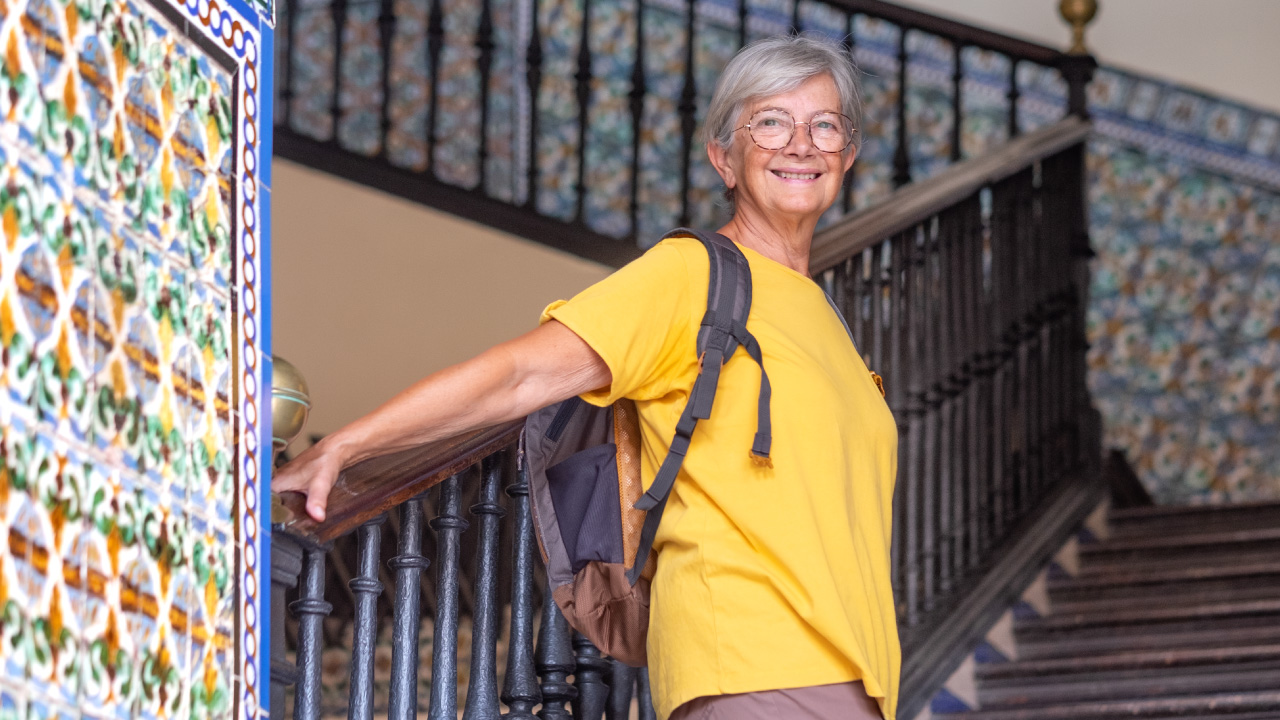
As the years pass, leg weakness becomes a frequent complaint with a significant impact on mobility in later life, and it can affect independence and quality of life. It is important to understand the main causes of this problem, recognise the symptoms and act in time so that complications, falls and fractures can be avoided.
Throughout this article we will explore the causes behind muscle weakness in older people's legs and possible solutions.
Key points of this article
- Leg weakness is common in later life and results above all from the natural reduction in muscle mass (sarcopenia), chronic illnesses and a sedentary lifestyle
- The main symptoms include difficulty standing up, dizziness and persistent weakness
- If left untreated, it can lead to falls, fractures and loss of independence
- Regular physical exercise, adapting the home environment and medical follow-up are essential to recover from and prevent muscle weakness.
Why is leg weakness more common in later life?
According to recent studies, from the age of 50 our muscle mass begins to decline by 1 to 2% per year. This gradual loss is linked to the body's natural ageing and contributes to muscle weakness. It is estimated that around 25% of people under 70 and as many as 40% of those over 80 show signs of sarcopenia or a marked loss of muscle strength.
This problem tends to intensify with age, reaching even higher levels from the age of 80. Factors such as chronic illnesses, neurological changes and reduced physical activity contribute to leg weakness and increase the risk of falls.
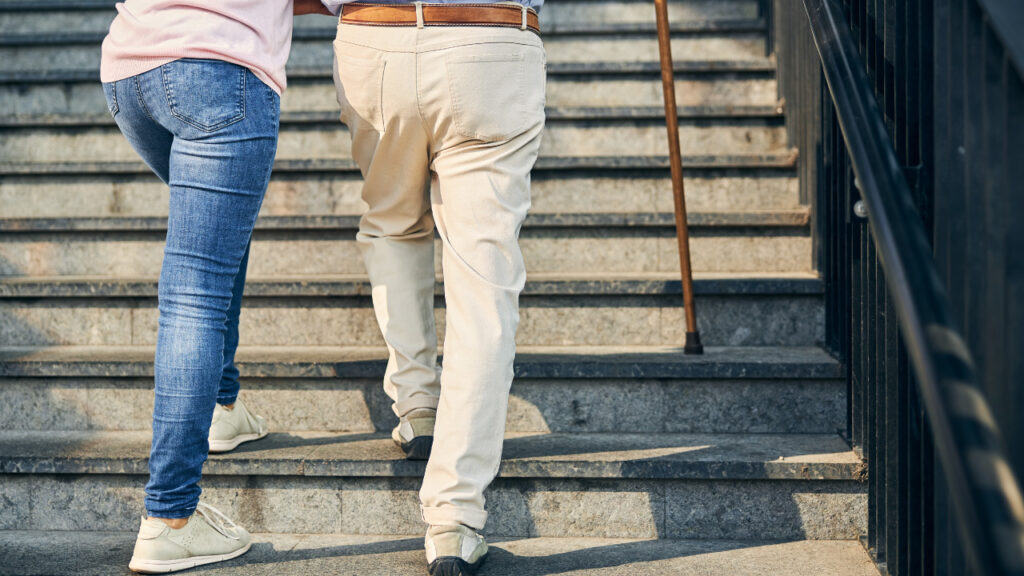
Main causes of leg weakness in older people
The causes of this weakness can arise for a number of reasons and, although it is a common situation, it is essential to understand them.
A sedentary lifestyle and muscle loss (sarcopenia)
One of the main causes of muscle weakness is a lack of physical activity. Without regular stimulation, the muscles waste away, become stiff and less efficient. Sarcopenia (the gradual loss of muscle mass) is linked to age, begins from around 30 and accelerates after 60.
Neurological and joint conditions
Parkinson's, stroke and multiple sclerosis all compromise strength in the legs. Joint problems, such as osteoarthritis, limit movement, cause pain and restrict the use of the muscles.
Side effects of medicines
Medicines used for blood pressure, cholesterol or anxiety are common among older people and can cause side effects that affect the neuromuscular systems, leading to weakness, dizziness or difficulty walking.
Warning signs and associated symptoms
Difficulty standing up
One of the warning signs that usually appears first is the difficulty an older person may have getting up from a chair or bed without help. This effort shows that the leg muscles have lost strength and endurance.
Dizziness and lack of balance
Instability when walking or standing is usually linked to leg weakness and can cause a loss of balance, which in turn increases the risk of falls.
Muscle pain and stiffness
The appearance of pain, stiffness or a constant feeling of weakness in the lower limbs points to a problem that needs attention.
Consequences of untreated muscle weakness
When muscle weakness is left untreated, it increases the risk of falls and fractures (especially around the hip). Untreated, this weakness leads to dependence on others, isolation and even cognitive decline. It can worsen existing conditions and reduce quality of life.
What to do: strategies to strengthen the legs
To help strengthen the legs, here is a set of strategies that can help.
Simple exercises for older people
Encouraging exercise in later life, such as daily walks, climbing stairs, standing up and sitting down in a controlled, calm way, and doing stretching exercises, helps to maintain and recover muscle strength. There are physiotherapy programmes tailored to each older person's needs.
If you are interested, these exercises may help.
Take a look as well at five seated exercises for older people.
Adapting the environment to prevent falls
Adapting the environment is essential to help an older person feel more independent. Some changes that can be made include: installing grab rails in the bathroom, removing rugs, improving the lighting and wearing non-slip footwear. These tips help to prevent falls and are well worth considering.
When to seek medical help?
Medical support is needed when there is a loss of muscle strength, whether gradual or sudden, accompanied by other symptoms such as persistent, intense pain, swelling or neurological changes. An early diagnosis is essential and allows the problem to be managed or treated in order to improve the older person's mobility.
How to prevent leg weakness
Preventing muscle weakness means keeping an active and healthy lifestyle.
- Doing regular physical exercise. Eating a diet rich in protein and vitamin D
- Managing chronic illnesses
- Avoiding long periods of immobility
- Having routine check-ups and mobility assessments.
Although leg weakness is a common and even unavoidable problem, it is often overlooked.
See our article on nutrition for older people.
Useful links on this topic:
The content of this blog is for information only. It does not replace medical diagnosis or treatment. Always consult a healthcare professional.
Need non-emergency patient transport?
Ambula handles everything — with comfort, punctuality and care.
Book a transport