
How to combat loneliness: practical strategies and support in Portugal
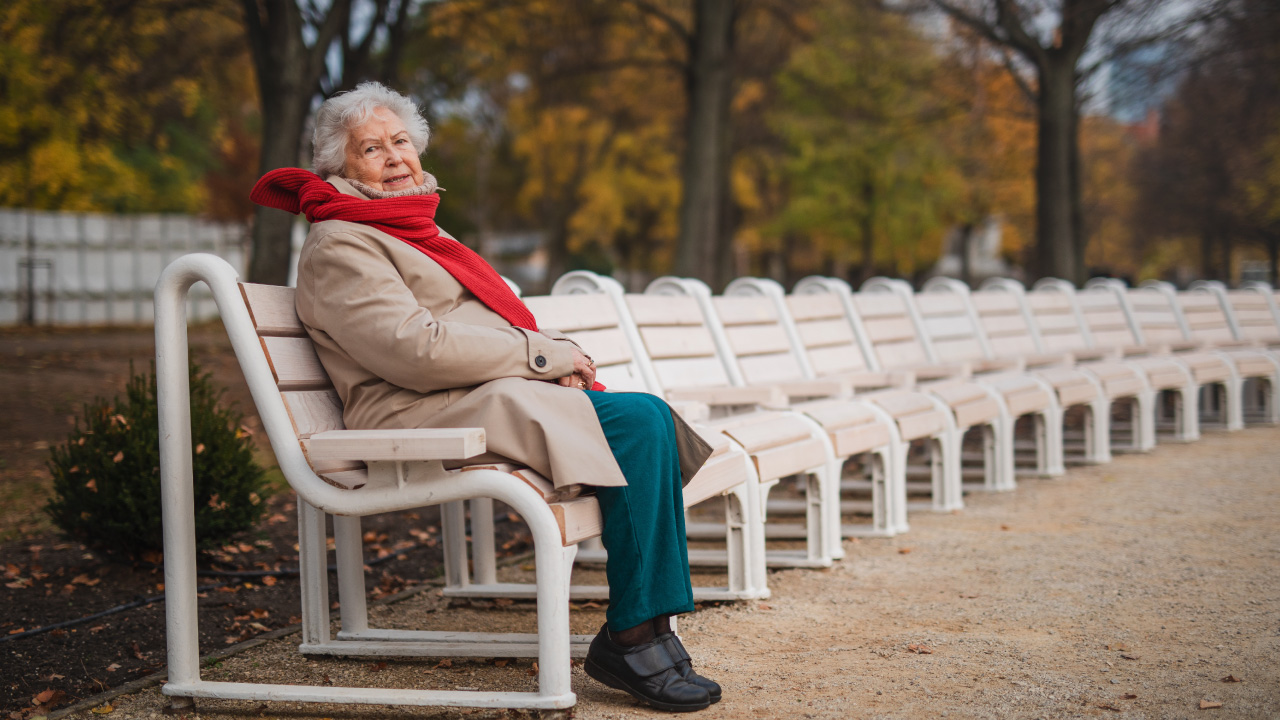
Feeling lonely is not "a lack of company", it is the sense of not having connections that feel meaningful. It can happen to anyone, at any age, but it is normal for this feeling to emerge as we grow older. Throughout our lives we gradually stop identifying with some of the people around us, and it does not always make sense to keep a connection going. This change has a real impact on our mental and physical health. The good news? There are simple, accessible steps that help to restore wellbeing and to build more nourishing relationships.
Key points of the article
- Differences between loneliness and social isolation; both have a negative impact on health
- Effective strategies: routine, sleep, self-care, movement and social hobbies
- Creating regular contact (in person/digital) is crucial for wellbeing
- Resources in Portugal: SNS 24, SOS Voz Amiga, community centres, RUTIS, volunteering
- Family/carers: support without intruding; seek professional help when there are warning signs.
What loneliness is and what the warning signs are
The feeling of being alone is a subjective experience; it varies from person to person and stems from a lack of emotional connections, of a sense of belonging or of support from friends and family. This feeling can arise even when we are in a room full of people, and there are some associated signs that we should pay attention to:
- Persistent sadness or irritability (a sense of emptiness)
- Avoiding contact that used to be enjoyable
- Changes in sleep and appetite, fatigue or diffuse aches with no clear medical cause
- Rumination ("nobody cares about me"), low self-esteem, using substances to calm down
- Loss of interest in activities and routines.
The difference between loneliness and social isolation
- Loneliness: it is a feeling, the gap between the relationships you have and the ones you would like to have
- Social isolation: it is an objective state of few contacts/little social participation.
There can be loneliness without isolation (feeling disconnected in a class or team) and isolation without loneliness (preferring few contacts, but feeling content). Both are risk factors for health and wellbeing, but they require different responses.
Impacts on mental and physical health
As for the impacts of loneliness on mental health, it increases the likelihood of depression, anxiety and suicidal thoughts. It raises chronic stress, disrupts sleep and makes emotional regulation harder. It also impairs memory and attention and, at older ages, can speed up cognitive decline. In addition, it reduces motivation and adherence to treatments and self-care routines. In terms of physical health, people who feel lonely are at greater risk of high blood pressure, coronary heart disease and type 2 diabetes. More systemic inflammation and a less effective immune response are observed, which contributes to an overall increase in the risk of mortality. Loneliness also tends to encourage less healthy lifestyles, with less physical activity and greater tobacco/alcohol consumption.
Practical strategies to reduce loneliness
Daily routine and self-care
Creating a routine can be a transformative step towards feeling more "useful" and combating the feeling of loneliness. Some strategies are:
- Structure the day (time to get up, meals, tasks, scheduled social contact)
- Sleep, nutrition and exposure to natural light: they improve mood and energy for socialising
- Notice the moments when you feel better in company and repeat them
- Weekly micro-goals (talk for 10 min with someone 3×/week). Small, consistent steps work.
Physical activity and hobbies
By taking part in activities you are spending time with people who share your interests. This can create a sense of belonging and identification with "the other".
- Group walks, local classes or gyms with group sessions: they combine movement with companionship
- Social hobbies (choirs, book clubs, board games, volunteering groups): they create routines, and a consistent social connection is associated with better health and a lower risk of early death.
Creating opportunities for social contact
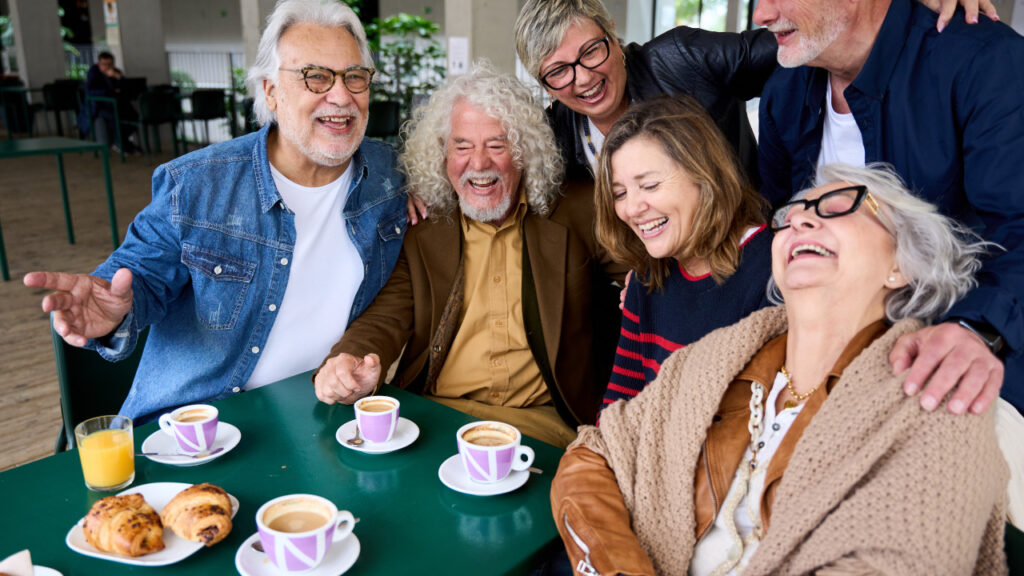
Turning this feeling of loneliness into something more positive also has to start with us, for example inviting someone for a coffee or an activity. Or else, taking part in local initiatives (community centres, libraries, senior universities, sports/cultural associations). Creating these opportunities is within reach for all of us.
Using technology to keep connections going
Technology has been transforming the way we keep our connections going; through a call, a message or a video, it brings the heart closer and warmer. There are risks, yes, but we can learn to use it to our advantage, safely and in balance.
- Video calls and online groups: they keep you present when distance is a barrier
- Digital literacy: many senior universities and local centres run workshops to learn how to use communication apps.
Support resources in Portugal
In Portugal there are some resources available, whether through helplines, community centres or activities.
Emotional support lines (SNS 24, SOS Voz Amiga)
SNS 24 – Psychological Counselling Line (24h): 808 24 24 24. Through this already well-known line, a counselling service was created that provides triage and psychological support by phone
SOS Voz Amiga (a Portuguese emotional support helpline): an organisation whose focus is active listening, confidentiality and anonymity. It provides telephone support daily between 3.30pm and 12.30am:
Landline: 213 544 545
Mobile: 912 802 669 / 963 524 660 / 930 712 500
Community centres and Senior Universities
Community centres: regular activities, companionship and social support (Segurança Social network, Portugal's social security system, and IPSS, private social solidarity institutions)
RUTIS (the Portuguese network of universities of the third age): hundreds of centres with courses/hobbies for over-50s (including a Virtual Senior University). An excellent gateway to new friendships.
Volunteering and neighbourhood networks
Seeking a purpose, such as helping others, can be an excellent way to combat loneliness. The Bolsa do Voluntariado (volunteering exchange) and Portugal Voluntário are platforms for finding opportunities near you that help to create a sense of purpose and a routine.
The role of family and carers
The role of family and carers is very much needed when someone is in this state. Here are some tips on how to help in this situation.
How to offer support without intruding
- Validate, do not minimise ("I am in no position to judge and I understand that you feel this way")
- Practical support: arrange regular outings, help with transport, help to sign up for activities
- Respectful communication: ask about preferences ("What would you fancy trying this week?")
- Consistency > intensity: short but frequent contact builds security. These practices foster social connection, a clear determinant of health.
When to seek professional help
If loneliness comes accompanied by low mood, anxiety, suicidal thoughts, problematic alcohol/drug use or functional decline, psychological support (SNS 24) and/or your family doctor can help. These specialised lines can guide the next step.
Loneliness is common and has a real impact on health, but it is modifiable. Start with weekly micro-goals, combine movement + social contact, and use the resources we have shared throughout the article. Strengthening your connections contributes to wellbeing and longevity.
The content of this blog is for information purposes. It does not replace medical diagnosis or treatment. Always consult a health professional.
Need non-emergency patient transport?
Ambula handles everything — with comfort, punctuality and care.
Book a transport