
Loss of appetite in the elderly: causes, symptoms and strategies to encourage eating
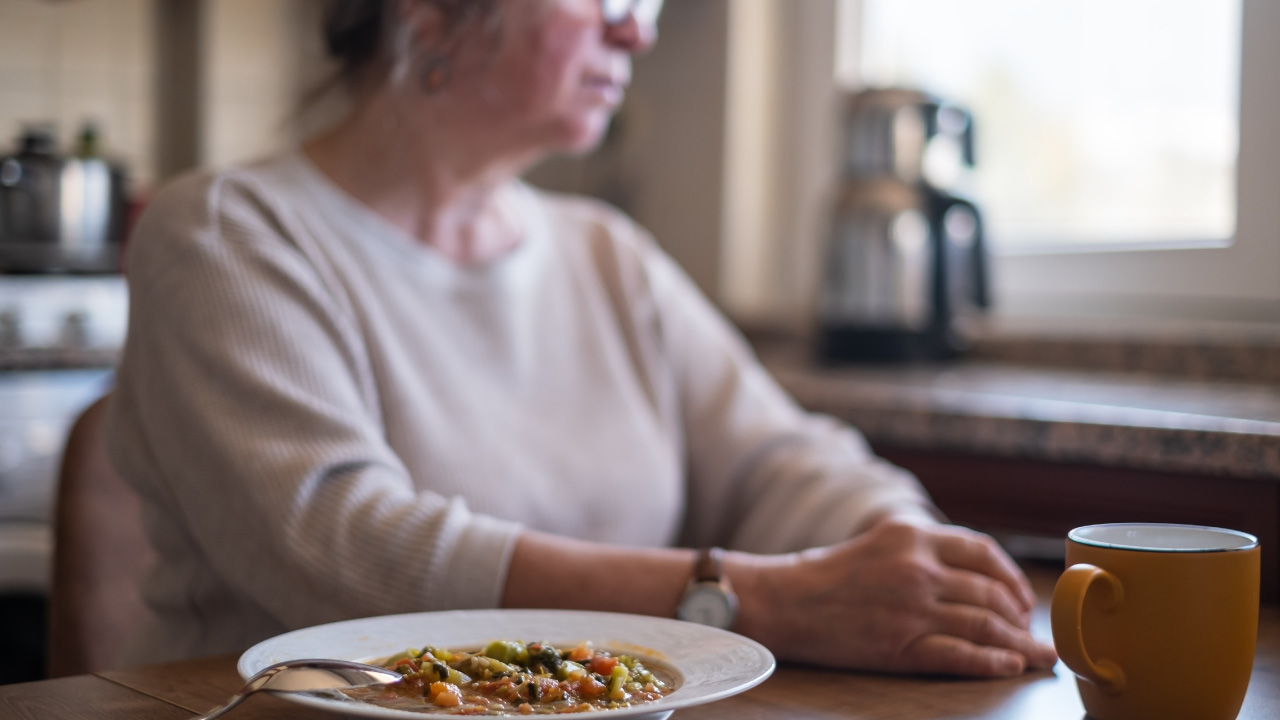
Loss of appetite in later life is fairly common and can arise for a number of reasons. The key is to understand what lies behind it (whether something physical, emotional or practical) so that you can help.
As we get older the body's needs change, but it still requires energy and nutrients: by paying attention to the signs and making small adjustments to meals (timings, textures, company), it is possible to prevent malnutrition and other problems and bring pleasure back to the table.
Key points of this article
- Hyporexia (the anorexia of ageing) is common and results from hormonal/digestive changes, loss of taste/smell and psychological/social factors
- Causes include chronic illnesses, pain, oral problems/dysphagia and the effects of medication (taking many medicines at once)
- Warning signs: dehydration, choking/coughing while eating (which require clinical assessment)
- What helps: small, frequent portions, nutrient-dense foods (“enriched” dishes), suitable textures, hydration, company and light physical activity
- Treatment: review the causes and medicines; oral supplements can help; appetite stimulants, with monitoring
- Follow-up by a doctor/dietitian and a home-support/meal-delivery service improve safety and adherence.
What is hyporexia and why does it occur with ageing
A reduced appetite is known as hyporexia, often called the “anorexia of ageing”: it results from a decreased appetite in later life and is linked to the risk of malnutrition, which worsens an older person's health.
Associated physiological and hormonal changes
As we age, our body gradually changes, which leads to changes in the hormonal and gastrointestinal systems. Alongside this, the stomach also empties more slowly, which can cause loss of appetite.
Psychological and social factors (depression, isolation)
With age, it is common for sadness and loneliness to be felt. When the heart feels heavier, appetite and energy also decline. Often the simple act of sharing a meal with family, neighbours or at a day centre turns meals into moments of company, pleasure and nourishment.
Health problems and medicines that reduce appetite
Beyond what we have already covered, there are health conditions and some medicines that can reduce appetite, alter taste, cause nausea or make a person feel full sooner.
Chronic illnesses that affect appetite
Some illnesses such as infections, heart failure, cancer, dementia, thyroid problems and chronic pain reduce food intake.
Side effects of medicines
There are several medicines that can take away the appetite or even alter taste: antidepressants, digoxin, some blood-pressure medicines and antibiotics. In older people, sensitivity to medicines is greater and extra care should be taken.
Dental, digestive and sensory problems
Dental problems also become more common; the great majority of older people wear dentures, and if these do not fit well they can cause discomfort when eating. Digestive problems affect the production of digestive enzymes and stomach acids, make digestion harder and cause discomfort, reducing the desire to eat. Sensory changes can alter the taste and smell of food, making it less appealing.
Warning signs and consequences of loss of appetite
It is normal for the body to show symptoms of loss of appetite, so it is important to be alert to the warning signs.
Physical and behavioural symptoms
The physical symptoms include unintentional weight loss, weakness, dizziness, less energy and a lack of interest in meals.
There may also be a change in taste and smell, and greater difficulty chewing or swallowing food.
Alongside this, nausea and constipation may occur.
Risks of malnutrition and weakness
Malnutrition and weakness create risks such as sarcopenia, frailty and falls, and can lead to hospital admissions or a higher likelihood of death.

Strategies to stimulate appetite
Adopting strategies to tackle malnutrition sometimes comes down to small day-to-day changes.
Here are our suggestions:
Planning regular and appealing meals
The trick is smaller meals eaten more often. Creating a meal plan through practical solutions, such as making meals appealing through their colours, aromas and textures, can be the key to this change.
Nutrient-rich foods and supplements
If meals are rich in nutrients they can be more filling; it helps to enrich dishes with ingredients such as olive oil, eggs, light fresh cheese and nuts. Soft protein can also be a good option (well-cooked hake/pulses).
Sometimes oral supplements are needed to increase food intake and, in turn, weight (when there is a risk of malnutrition). The best option is personalised medical advice. In the meantime, take a look at our guide to nutrition for older people.
The importance of physical activity and social contact
The more we move our body, the greater our appetite.
Physical activity suited to the older person's condition can help, whether walks or light exercise; the important thing is to get the body moving. This physical activity not only increases appetite but also improves mood, and good company increases the pleasure of eating.
When to seek medical help and available treatments
When none of the previous options work, the situation needs to be assessed more thoroughly, and there is nothing better than medical help.
Use of appetite stimulants
Before stimulating appetite with medication, it is important to recognise and treat the cause of the problem (whether pain, depression, oral or digestive problems, medicines, and so on).
With appropriate medical advice, these stimulants can open the door to a greater appetite, but they also carry some risks, such as swelling (oedema), low blood sugar and blood clots. The decision should be informed and considered.
Follow-up with a dietitian or doctor
If signs of malnutrition, dehydration or dysphagia appear, clinical follow-up is important.
Through this professional contact there will be an assessment of the medical history along with a medication review, screening for depression, an oral/dental assessment, basic tests (for example, thyroid, inflammation), and a swallowing assessment when there is choking/coughing.
A personalised meal plan is then drawn up: energy and protein targets, spreading meals throughout the day, enriching dishes and, if needed, oral supplements.
Practical recipes for older people with no appetite
Enriched vegetable soup: pumpkin/vegetable soup + a drizzle of olive oil + fresh cheese blended in at the end
Creamy scrambled eggs with ricotta and herbs, served with baked sweet potato
A “complete” smoothie: milk/yoghurt, ripe banana, fine oats, peanut butter, cinnamon
Creamy yoghurt with honey & banana
Porridge made with milk, grated apple, chopped walnuts and a drizzle of honey.
Support and meal-delivery services
To address this social need, the Home Support Service (Serviço de Apoio Domiciliário, SAD) was created, which delivers meals to people's homes, tailored to prescribed diets. You can look for this support on Carta Social (Portugal's official directory of social-support services), under Older People → Home Support Service (SAD), then select your municipality to see what is available.
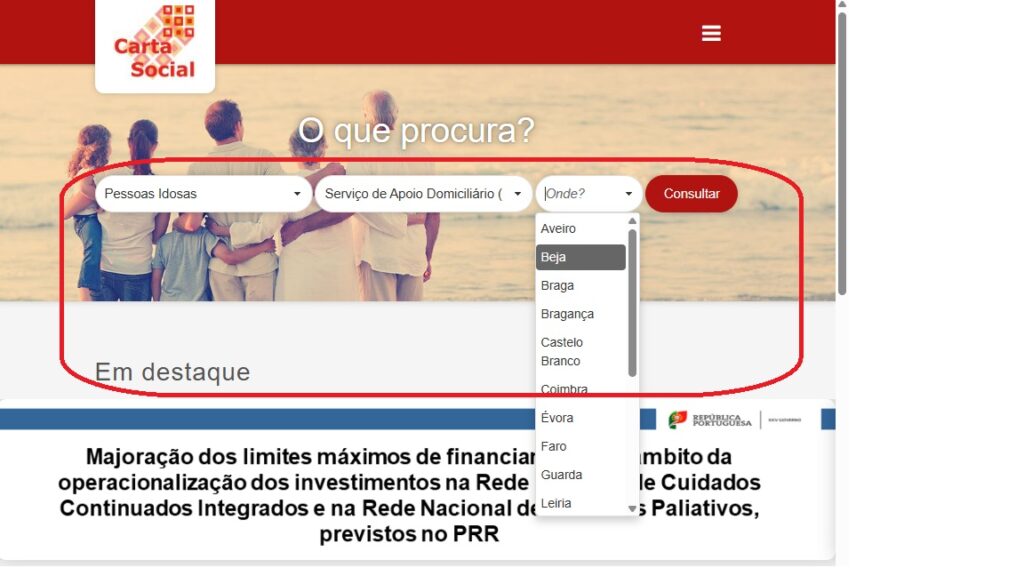
Some organisations offering a home support service that includes meals are: various branches of the Red Cross (Cruz Vermelha) and local Misericórdias (charitable institutions).
Loss of appetite can be resolved when we look at the full picture. The goal is simple and human: to eat again with pleasure and safety, protecting strength, independence and wellbeing.
The content of this blog is for information only. It does not replace medical diagnosis or treatment. Always consult a healthcare professional.
Need non-emergency patient transport?
Ambula handles everything — with comfort, punctuality and care.
Book a transport