
Nutrition for the elderly: a complete and practical guide
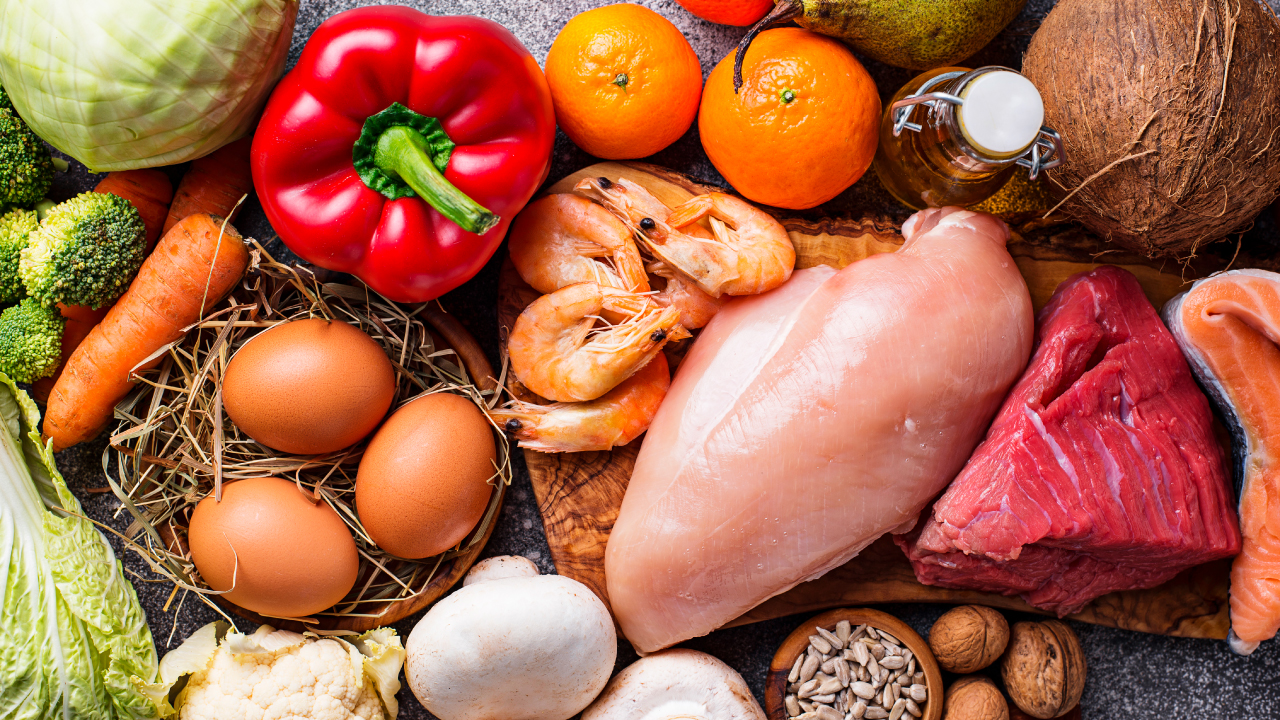
A balanced diet is important at every stage of life, but it becomes essential in older age. The natural changes of ageing call for a diet adjusted to the body's new needs, promoting health and wellbeing. If you are looking for practical tips, this article is ideal for you.
Discover how to adopt a healthy diet in later life, with recommendations for different health conditions.
Key points of this article
- Diet in older age should be adjusted to the changes of ageing
- Nutrients such as calcium, iron, vitamins D and B, magnesium and omega-3 are essential
- Fresh, natural and wholegrain foods should be prioritised, avoiding processed ones
- This article includes recommendations for specific situations such as diabetes, Alzheimer's and dysphagia.
Why does diet change with age?
As the years go by, our body undergoes several changes, one of them being the digestive system – it becomes compromised and requires greater attention. That is why it is essential for older people to follow a balanced diet adjusted to their needs. A suitable diet helps to prevent immune, cognitive and metabolic dysfunctions.
According to a study published by Expresso, a healthy diet supports longevity and can increase average life expectancy by up to 10 years. The research explains that a diet rich in vegetables extends life by more than three years. Although good eating habits should be adopted early on, changes made later still bring benefits – the key is to adapt the diet to the needs of each stage of life.
Essential nutrients in the diet of older people
It is important to ensure the intake of nutrients suited to the specific needs of older age:
- Calcium: strengthens the bones and prevents osteoporosis
- Iron: maintains good oxygenation of tissues and organs, combats fatigue and strengthens the immune system
- Vitamin C: contributes to immunity, protects the brain and prevents degenerative diseases
- Vitamin D: aids the absorption of calcium and contributes to bone and muscle health
- B vitamins: help with metabolism, memory and mental wellbeing Zinc: helps protect against infections and contributes to healing
- Omega-3: prevention of diseases such as Alzheimer's, depression and Parkinson's
- Magnesium: improves sleep quality, regulates calcium and contributes to cardiovascular and neurological health.
What should the diet of older people be like?
Besides the choice of foods, hydration and the frequency of meals are essential:
- Drink at least 1.5 litres of water a day (including soups and teas as allies in hydration)
- Have five to six meals a day: breakfast, lunch, dinner and snacks
- Eat every three hours to keep energy and metabolism stable
- Opt for fresh, natural and minimally processed foods
- Avoid prolonged fasting and heavy meals at night.
Recommended foods for older people
To promote health, aid digestion and prevent nutritional deficiencies that are common at this stage of life, it is important to consume nutrient-rich foods:
- Pulses and vegetables: cabbage, broccoli, spinach, potato, green beans.
- Fruit: banana, apple, papaya, strawberries, orange – rich in vitamins and fibre.
- Low-fat dairy: natural yoghurts, semi-skimmed milk – reinforce bone health.
- Wholegrain cereals: oats, wholemeal bread, brown rice – promote satiety and regulate bowel movements.
- Sources of protein: fish, lean meats, eggs and legumes (such as chickpeas and lentils).
Foods to avoid or limit
Avoid:
- Refined sugars Saturated fats
- Ultra-processed products
- Excessive salt intake.
Consume in moderation:
- Full-fat dairy (such as certain cheeses or sauces, with low-fat dairy being the better option)
- Drinks such as tea and coffee (they can interfere with the absorption of iron)
- Chocolate at main meals.

Diet for specific situations
Older people with diabetes
They should follow a varied and balanced diet, limiting simple sugars and foods with a high glycaemic index.
Older people with Alzheimer's
Routine is important for an older person with Alzheimer's: simple, familiar and routine meals support their independence.
Older people with dysphagia (difficulty swallowing)
The important thing for older people with dysphagia is that textures are adapted to their needs, as is the case with purées and thicker liquids. The key is to avoid dry food or food that is harder to chew.
Bedbound older people
They should eat easily digestible foods, rich in fibre, and adjusted to their specific nutritional needs to avoid constipation.
How do you put together a meal plan for an older person?
A healthy meal plan for older people should include:
- Six daily meals well spread out
- The presence of fruit, pulses and vegetables at every meal
- Sources of protein (white meats, fish, eggs, dairy) at at least one main meal
- Hydration throughout the day.
Below is a more concise example of a daily meal plan for an older person:
|
Breakfast
|
Mid-morning
|
Lunch
|
Afternoon snack
|
Dinner
|
Supper
|
|---|---|---|---|---|---|
Food supplements: when are they needed?
Food supplements for older people should only be taken when there is a proven nutritional deficiency. It is therefore important that older people make up for certain nutritional deficiencies through supplementation. Each older person has specific needs that should be assessed by a healthcare professional.
Tips to stimulate appetite in older people
- Set fixed times for meals
- Go for a varied menu
- Introduce healthy snacks
- Be alert to physical or emotional symptoms that affect appetite
- Encourage company at the table and offer emotional support.
More than a matter of nutrition, looking after diet in older age is a way of promoting dignity, independence and quality of life. Small daily choices, made with care and affection, have a profound impact on the physical and emotional wellbeing of older people — especially at a stage of life when this care is needed more than ever.
Need non-emergency patient transport?
Ambula handles everything — with comfort, punctuality and care.
Book a transport