
Pets for the elderly: a senior's best friend
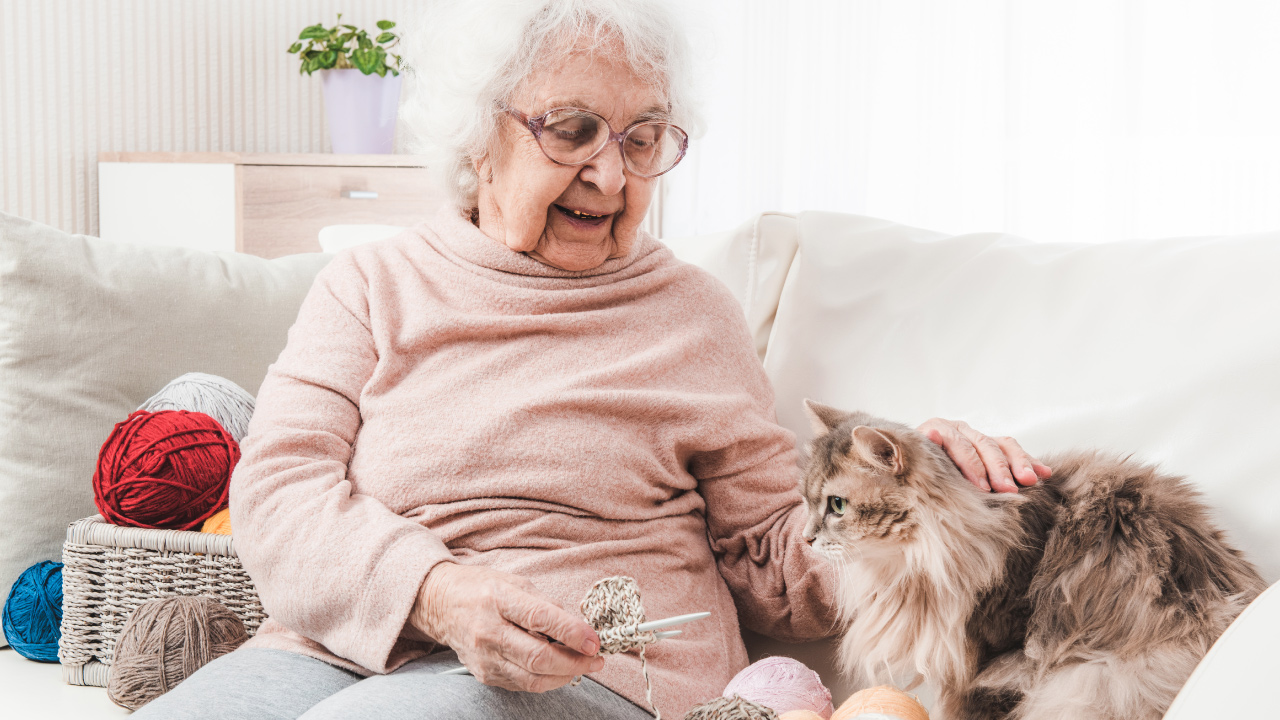
There are moments in life when the house becomes quieter than we would like. The days grow longer, the routines lighter… and someone's presence is missed.
A dog that wags its tail when it sees us, a cat that falls asleep beside us on the sofa, a little bird that brightens the morning with its song. This is often where a companion animal comes in, not as a substitute for people but as a friend who fills the gaps with affection, company and small daily joys. They bring life to the home, create routines, soothe anxieties and make us feel seen, accompanied and important.
For many older people, a pet is not just company: it is a reason to smile, to move, to chat, to stay connected to the world. And it is that very special, very human relationship that we are going to talk about.
Key points of this article
- Animals help to reduce loneliness, bring company and give new purpose to the day
- Studies show improvements in mental health, emotional wellbeing and even cognitive function
- Certain dogs and cats are better suited to the pace and needs of older people
- Adopting adult animals is a safe and very advantageous option for seniors
- Animal-assisted therapies show promising results in care homes and institutions
- This article explains how to choose the ideal animal, basic care and how to overcome challenges.
The importance of companion animals in later life
Portugal: a country where animals are part of the family
Portugal is, quite literally, a nation of four-legged friends. A European study cited by Idealista, in 2025, places Portugal among the countries with the most dogs per family, estimating that 39% of households have at least one dog. These figures show how much animals are part of the lives of most Portuguese families.
And, among those households, many are the homes of seniors, living alone or as a couple, who find in pets a way to fill the day with affection and presence.
An emotional bond that is hard to compare
Animals do not ask difficult questions, do not judge, do not make demands. They are simply there. That constant, non-critical presence is especially important at stages of life when:
- There are fewer social contacts
- A spouse or close friends are lost
- Mobility begins to limit outings and activities.
The presence of an animal can ease feelings of loneliness in older adults, especially in those who live alone. A classic study by Stanley and colleagues concluded that pet owners were 36% less likely to feel lonely than those who had no animal at all.
Living more in the "here and now"
There is a lovely idea shared by several psychologists: animals live in the present. They are not worried about next month, nor about what happened five years ago. For many seniors, living day to day with that "here and now" helps to ease anxiety and to focus more on what can be lived today.
10 benefits of companion animals for older people
When we talk about the benefits of companion animals, we are not just talking about "it's nice to have a dog". We are talking about real effects on three levels: emotional, physical and social.
1. Less loneliness, more company
A dog, a cat or another animal for later life does not replace people, but it fills many empty spaces. There is someone to say "good morning" to, someone who notices when their owner comes home, someone with whom a routine of affection is built.
2. Greater emotional stability
Many older people say that their dog or cat was essential in getting through bereavement, divorce or periods of illness. Qualitative studies with seniors show powerful descriptions: "it's family", "it's life", "it's the one who gives me joy", exactly what also appears in research carried out with Portuguese older people who live with dogs.
In practice, a pet helps combat depression by offering daily presence, routine and consistent affection.
3. Healthier routines (without major complications)
Feeding it, filling the water bowl, opening the window for the cat to catch the sun, heading out to the street with the dog. Without the person even realising it, the day comes to have:
- Set times to care for the animal
- Necessary movements (even small ones)
- A sense of "someone depends on me".
That structure is valuable for those who, after retirement, feel that the days have all become the same.
4. A more active mind and body
Walking a dog, playing with a cat, remembering the times for the animal's medication or the vet appointment, all of this stimulates body and brain.
Studies, such as the famous Baltimore Longitudinal Study of Aging, have found links between having animals (especially dogs) and improved cognitive function, particularly among people who also walked them regularly.
In other words, having a companion dog and taking short walks can help not only the heart, but the mind too.
5. Less stress, more calm
Stroking an animal is associated with a lower heart rate and the release of serotonin, dopamine and oxytocin, the so-called "wellbeing hormones".
It is no coincidence: older people with animals tend to report less stress and a greater sense of calm. This is where it makes complete sense to talk about the benefits of having a dog or cat, especially for those going through periods of heightened anxiety.
6. An incentive to leave the house
Even those who do not much like "being out and about" end up going out because the dog needs it. A short walk around the block already counts as light physical activity and often opens the door to informal contact with neighbours or other owners.
Doing a few more minutes of moderate physical activity over the week is essential for preventing cardiovascular disease and maintaining mobility in later life.
7. More social interaction
Animals are a great icebreaker. A friendly dog is an invitation to chat, a curious cat makes for good stories, a talkative bird brightens up any visit. As well as the company they provide, they also become topics of conversation, whether in parks or on trips to the vet.
8. A greater sense of security
For those who live alone, even a small dog can make all the difference: it barks at strangers, reacts to unusual noises, "warns" its owner. The feeling that the home is less vulnerable eases many night-time fears.
9. A renewed sense of purpose
Caring for an animal is much more than a hobby. It is a real, daily responsibility. Especially when you adopt an animal that has come from a shelter, there is a strong feeling of "I gave this creature a new life", and that reinforces a sense of purpose, at a stage when many no longer have work or children at home.
10. A very special emotional commitment
Anyone who has an animal knows: the deep bond that forms. That give-and-take relationship of "I look after you, you keep me company" is, in itself, therapeutic. That is why there is so much talk of companion animals in later life as allies of positive ageing.
Scientifically proven benefits
The scientific literature shows that pets can contribute to:
- Better mental health: less loneliness, fewer depressive symptoms and greater subjective wellbeing
- Better cardiovascular health: some studies have observed lower blood pressure levels and a better risk profile in pet owners, especially dog owners
- Maintenance of cognitive function: pet owners, in particular those who walk the dog, appear to have a slower cognitive decline.
Of course it is no "miracle", but it is far from being just a coincidence.
Dogs for older people: which profiles work best?
The older person's profile will help to work out which dog is best suited to keeping them company. It calls for careful thought: size, energy, ease of care… everything counts.
Small dogs
Ideal for flats and owners with less mobility.
- Maltese: gentle, very affectionate and undemanding
- Toy/Miniature Poodle: intelligent, hypoallergenic and easy to train
- Shih Tzu: calm, devoted and perfect for indoors
- Pug: playful yet placid, adapts easily
- Yorkshire Terrier: alert and protective, but light and gentle.
Medium-sized dogs
For those who can manage regular walks.
- Cavalier King Charles Spaniel: affectionate and excellent company
- Boston Terrier: friendly, clean and undemanding
- French Bulldog: a big heart, little need for exercise.
More active dogs (for more dynamic seniors)
For dynamic seniors who enjoy being on the move.
- Basset Hound: calm, but needs short walks
- Beagle: energetic, curious and very sociable.
Cats for older people: a practical and affectionate option
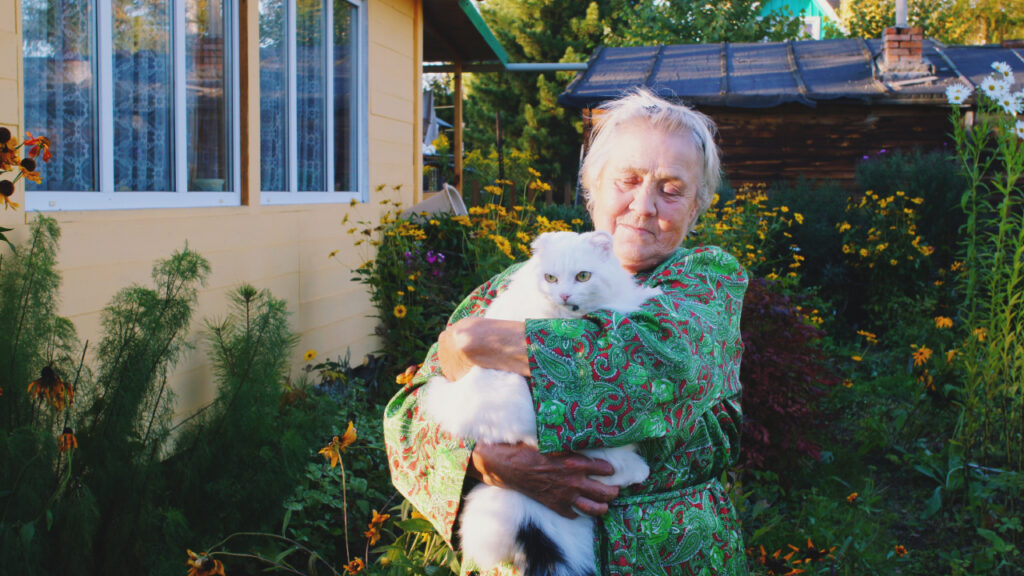
For those who prefer less physical demand but plenty of company, cats for older people are a real treasure.
They are independent animals, but ones that form strong bonds and routines: they turn up at feeding time, seek a lap at certain moments, quietly accompany the day. A short-haired, adult cat with a calm temperament can be the perfect pet for someone who:
- Lives in a flat
- Cannot go for daily walks
- Wants company, but with less physical demand.
Other companion animal options
A dog or cat is not always viable. In those cases, there are other companion animal options for older people:
- Fish (a relaxing, almost meditative effect when watching the aquarium)
- Birds (cheerful sound and daily interaction)
- Guinea pigs or rabbits (affectionate, but they require some space and cleaning).
The important thing is to choose an animal compatible with the senior's energy, space and capacity to provide care.
How to choose the right animal in later life?
Before taking the step, it is worth reflecting on these questions:
- How much physical activity can the older person manage?
- Do they live in a ground-floor home or on the 3rd floor with no lift?
- Is there someone who can help in case of illness?
- Does the budget allow for quality food and veterinary care?
- Do they prefer a calmer or a more playful animal?
Answering these questions helps to work out whether a dog, a cat, another animal or even no adoption at all makes more sense. There are, however, other alternatives, whether regular contact with therapy animals in specific programmes or visits to family or friends with animals.
Adopting rather than buying: a conscious choice
In many cases, adopting an older or adult animal is an even better fit for the reality of later life:
- The animal is already calmer
- Its personality is known
- It often comes already neutered, vaccinated and used to living indoors.
For the senior, it is easier to take in an animal with a settled pace. For the animal, it is literally the chance of a new life.
What is animal-assisted therapy (AAT)?
Animal-assisted therapy (AAT) is much more than "taking a dog to a care home to cheer up the residents". It is a structured intervention, carried out by health or social care professionals, in which the animal, usually a trained dog, plays an active part in the therapeutic process. There are even broader terms, such as Animal-Assisted Interventions (AAI), which include therapy, activities and educational programmes with animals.
Benefits for older people in care homes and hospitals
When we talk about older people in institutional care, whether in care homes, senior residences or convalescence units, AAT can be a real emotional "door-opener". Regular sessions with therapy dogs in Portuguese care homes have shown, in practice, benefits such as:
- Greater participation in activities
- More interaction between residents
- A reduction in apathy
- More smiles and expressions of affection
- Reduces stress
- Improves mood
- Stimulates memory
- Encourages movement.
Some senior residences in Portugal already embrace a pet-friendly philosophy, or run occasional programmes with animal-assisted therapy sessions, precisely because they realise that the presence of a dog or cat changes the atmosphere: it breaks the ice, brings people closer and turns a day like any other into something the residents remember.
Impact on depression, anxiety and Alzheimer's
In emotional terms, the effects of AAT on seniors with depression or anxiety are consistent: lower stress levels, a greater sense of calm and a clear increase in wellbeing. International reviews show that the structured presence of animals in a therapeutic setting is associated with:
- A reduction in depressive symptoms
- Less anxiety
- Better mood and greater motivation to take part in activities.
In the case of dementia or Alzheimer's, we are not talking about a "cure", but about quality of life. In care homes and day centres, sessions with dogs have been used to:
- Stimulate old memories through stories linked to animals
- Encourage eye contact and touch
- Encourage simple movements (brushing, stroking, throwing a ball)
- Create moments of emotional connection in a day that, at times, is very confusing for the person.
Many professionals report something that does not show up in the graphs, but which is perhaps the most important thing of all: there are residents who barely react to anyone, but who respond to the dog. They look, they touch, they smile. And that small gesture is already a huge victory.
Existing programmes in Portugal
In Portugal, more and more organised projects in animal-assisted therapy and dog-assisted activities are emerging, focused on emotional, social and cognitive wellbeing, including that of older people. Some examples you can mention (without making an "official list", but as an illustration) are:
- Pets4People: a project based in the Lisbon area that runs Dog-Assisted Interventions, focusing on psychological and emotional issues. They work in a therapeutic context (AAT), assisted activities and specific programmes, such as support with grief over the loss of a companion animal or a programme to overcome the fear of dogs
- ÂNIMAS: an association that promotes Animal-Assisted Interventions with certified teams (human + dog), in schools, institutions, hospitals and care homes, with clear aims of inclusion, wellbeing and skills development
- Kokua: runs Animal-Assisted Services, including treatments, assisted education and support programmes, with dogs trained to work in therapeutic and educational settings.
Veterinary care at home
An issue that often holds up the decision is: "What if I can't take it to the vet?".
Today, there are more and more home veterinary care services that:
- Carry out consultations at home
- Take care of vaccinations and deworming
- Can carry out small tests
- In some cases, even baths and grooming.
For seniors with reduced mobility, it is a solution that reduces effort and stress, both for the owner and for the animal.
When challenges arise (and how to overcome them)
It is not all roses, and it is important to be honest:
- There are financial costs (food, vet, possible insurance)
- There is physical effort (cleaning, walking, organising the home)
- There is the question of "what if I can no longer care for it?".
So, before going ahead, it is helpful to agree a plan with family or friends: who can take the animal if necessary? Is there the possibility of support from neighbours or dog walkers? Is there an association with support programmes?
The most important thing is to avoid situations of abandonment and to ensure the wellbeing of both parties, both the older person and the animal.
The impact on quality of life
Throughout this article we have been coming to understand the importance these animals have in an older person's life. Even so, there is nothing better than seeing some real testimonies.
📺 To watch and find out more
A few real examples of programmes and stories in which companion animals make a difference to the daily lives of older people in Portugal.
- Shelter dogs bring joy to a care home in Sintra (PiT by NiT) A report on regular visits by dogs to senior residents.
- Ollie, the dog who brightens the day of more than 30 older people (PiT by NiT) The story of a rescued dog who now visits a day centre.
- "Four-pawed therapists" at a care home in Campolide (PiT by NiT) Celebrating Animal Day with therapy dogs at a care home.
- Vadio and Viana: dogs who liven up a senior community centre (PiT by NiT) Two resident dogs that are part of the older people's routine.
- A three-legged dog who supports people in rehabilitation and visits care homes (PiT by NiT) An example of a therapy dog with a presence in hospitals and institutions.
- SIC Notícias video: "Dogs bring happiness to places where it is scarce" A video report on therapy dogs in care homes and institutions.
- A nurse and the cat who visit care homes and hospitals (PiT by NiT) A duo who bring company and comfort to people in care settings.
The truth is simple: animals bring life into the home. They make us laugh, they calm us, they bring families closer and they remind us that we still have a great deal to give. For many older people, they are more than company, they are the silent embrace that is missed in the quiet hours of the day.
The content of this blog is for information only. It does not replace medical diagnosis or treatment. Always consult a healthcare professional.
Need non-emergency patient transport?
Ambula handles everything — with comfort, punctuality and care.
Book a transport