
Sarcopenia: how to halt silent muscle loss
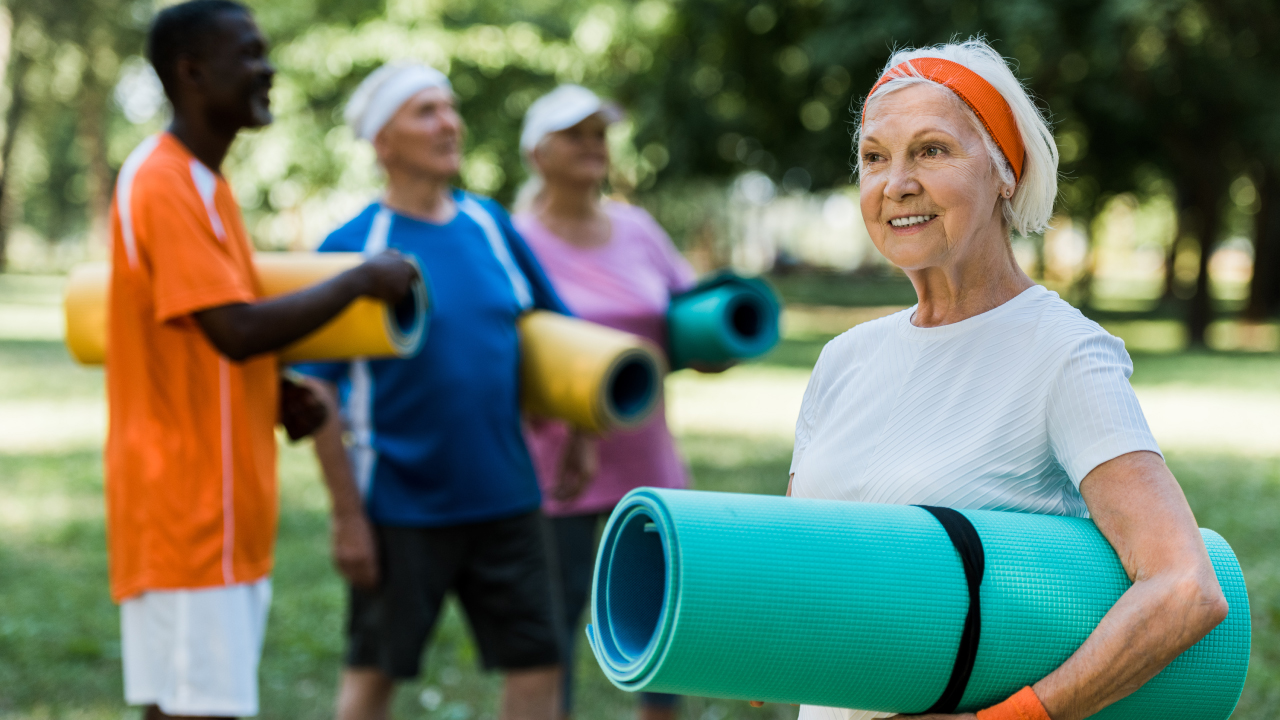
As the years go by, something happens almost invisibly in the human body: the muscles begin to lose mass and strength. This condition has a name – sarcopenia – and it affects millions of people around the world, especially from the age of 60. But rest assured that there is a great deal that can be done to halt it and even reverse it. And it all starts with getting to know it better.
Key points of the article
- Sarcopenia is the progressive loss of muscle mass and strength, most common from the age of 60
- It can affect mobility, balance and the ability to carry out everyday tasks
- A sedentary lifestyle, poor diet and chronic illnesses are factors that contribute to its progression
- It is possible to halt or even reverse sarcopenia with regular physical exercise and a protein-rich diet
- Supplements such as whey protein, vitamin D or creatine can be useful in some cases
- Keeping an active lifestyle is the best way to prevent this condition and preserve your independence as the years go by.
What is sarcopenia?
It is a progressive disease characterised by the loss of muscle mass, strength and physical performance. Although it is most common in people over 60, the process starts much earlier: by around the age of 30 or 40 the body is already slowly beginning to lose muscle. From the age of 65, this loss tends to accelerate.
In practice, what happens is that the muscles become smaller and weaker. And this does not just mean losing the strength to open a jar or carry shopping bags. Sarcopenia affects mobility, balance and the ability to carry out basic everyday tasks, such as getting up from a chair, climbing stairs or walking safely.
What are the symptoms?
The signs of sarcopenia directly affect a person's independence and can lead to a loss of independence and, in more serious cases, to the risk of falls, fractures and hospital admissions. They may appear subtly, but become increasingly evident over time.
The most common include:
- Constant muscle weakness
- Tiring more quickly during normal activities
- Difficulty climbing stairs or getting up from a chair
- A slower gait and reduced physical endurance
- Loss of balance and frequent falls
- Visible reduction in muscle volume, especially in the arms and legs.
What causes sarcopenia?
Ageing is the main culprit, but it is not the only one. Several factors contribute to the development of sarcopenia:
- A sedentary lifestyle: a lack of physical activity is one of the greatest allies of muscle loss
- Poor diet: a diet low in protein and essential nutrients weakens the muscles
- Chronic illnesses: such as diabetes, kidney failure, arthritis, cancer or COPD (chronic obstructive pulmonary disease)
- Chronic inflammation: a body in "constant alert mode" can break down muscle tissue
- Hormonal changes: such as a drop in testosterone or growth hormone
- Obesity: especially when associated with sarcopenia (sarcopenic obesity), it can worsen the condition
- Immobilisation: being bedridden for prolonged periods, even due to illness or recovery.
How is it diagnosed?
There is no single test to diagnose sarcopenia. Usually, it starts with an assessment of symptoms using a simple questionnaire called SARC-F, which measures the difficulty in carrying out basic everyday movements (standing up, walking, climbing stairs, etc.).
After that, tests such as the following may be carried out:
- Grip strength (measured with a handheld dynamometer)
- Chair test (seeing how many times the person can stand up without using their arms)
- Gait test (assessing walking speed)
- Body composition analyses, such as DEXA or BIA, which measure the amount of muscle in the body.

What is the treatment for sarcopenia?
The good news is that sarcopenia can be treated and even reversed, especially if it is detected in the early stages. The main strategies involve simple lifestyle changes:
1. Movement is essential
Physical exercise is the most powerful weapon against sarcopenia. The ideal is to do strength training (such as lifting weights, using resistance bands, doing squats) as well as aerobic exercise such as walking. Two to four sessions a week can already make a difference.
2. Eating well is as important as moving
A balanced diet, rich in quality protein (meat, fish, eggs, pulses, dairy products) is essential to rebuild and maintain muscle. As the years go by, the body needs more protein for the same effect, so it is worth increasing your intake.
3. Supplements can help
In some cases, it may be beneficial to include supplements such as:
- Whey protein
- Leucine (an amino acid that stimulates muscle synthesis)
- Vitamin D (especially if there is a deficiency)
- Creatine (to increase strength and energy)
- Omega-3 (helps to reduce inflammation)
- Collagen and magnesium, to support muscle tissue and joints.
But take care: supplements should always be used under the guidance of a healthcare professional.
Sarcopenia or muscle atrophy: what is the difference?
Muscle atrophy is a more general term and means the loss of muscle mass for various reasons, which can happen at any age. Sarcopenia is a specific form of muscle atrophy associated with ageing and the decline of muscle function.
How to prevent sarcopenia?
It is possible to grow older with strength, mobility and independence, and it all starts with small gestures in your daily life. Keeping your muscles active and well nourished makes all the difference.
A longitudinal study published by the journal Ageing International in 2025 analysed data from the UK Biobank and concluded that regular moderate-to-vigorous intensity physical activity significantly reduces the risk of developing sarcopenia in middle-aged adults.
The study highlights that light-intensity activities alone do not have the same protective effect.
Here, then, are some practical tips:
- Move every day, even if only with walks
- Do strength training adapted to your age and physical condition
- Have a diet rich in protein and nutrients
- Avoid tobacco and excess alcohol
- Sleep well and stay well hydrated
- See your doctor regularly.
If sarcopenia or another health condition makes it difficult for you to travel to appointments, tests or treatments, rest assured that you are not alone. Ambula provides a non-emergency patient transport service, with comfort, safety and support tailored to your needs. A simple, safe way to keep looking after your health, even when your mobility is no longer what it once was.
Need non-emergency patient transport?
Ambula handles everything — with comfort, punctuality and care.
Book a transport