
Superfoods: what they are, their benefits and how to include them in your routine
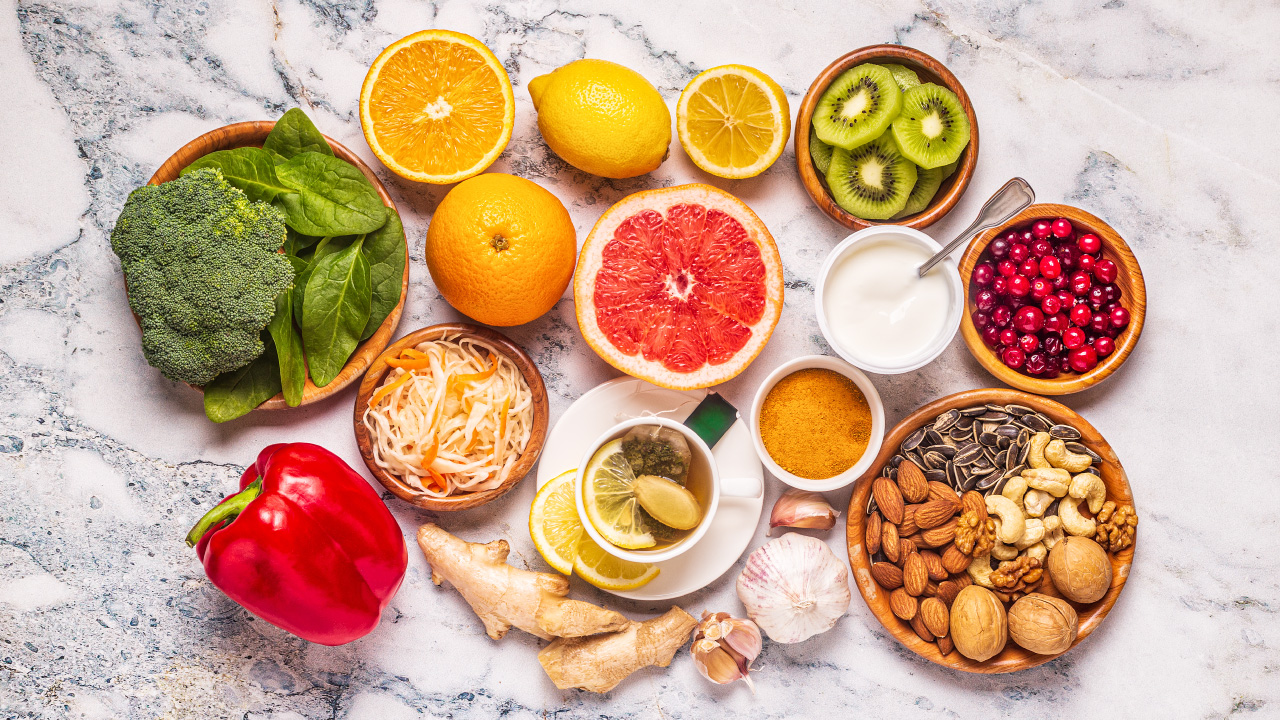
The definition of superfoods covers foods of natural origin such as: fruits, vegetables, seeds, nuts and some fish that contain a high nutritional density. This means that, even when eaten in small quantities, they can provide a large concentration of vitamins, minerals, antioxidants, fibre and other bioactive compounds that benefit health.
They are not a "miracle cure", but when built into a balanced diet they can help to prevent disease, improve energy and boost overall wellbeing.
Key points of the article
- Superfoods are foods of natural origin, rich in vitamins, minerals, antioxidants and fibre, which offer a high nutritional density
- They can strengthen the immune system, protect cells, improve cardiovascular health, give more energy and aid digestion
- Examples of superfoods
- How to incorporate them into your routine
- Myths, truths and things to watch out for with these foods
- Extra tips on how to use superfoods.
What are superfoods?
There is no fixed definition for this term, yet the concept covers a group of foods that offer health benefits.
These foods have been eaten for centuries, across many cultures, because of their nutritional and even therapeutic effects. Balancing these foods with an active, healthy lifestyle ensures long-term wellbeing: it prevents disease, improves your energy and strengthens the immune system.
What are the main health benefits?
They are rich in vitamins, minerals and antioxidants and offer benefits such as:
- Strengthening the immune system: nutrients such as vitamin C, zinc and antioxidants help to prevent infections
- Cell protection: antioxidants help prevent premature ageing
- Cardiovascular health: lowering cholesterol and regulating blood pressure
- Anti-inflammatory action: turmeric and ginger reduce inflammation
- More energy and focus: they provide nutrients that are absorbed quickly and steadily
- Better digestion: fibre promotes gut health and satiety.
Examples of superfoods for everyday life
Superfoods table
| Name | Function (main benefits) | Cost per portion (approx.) | Ideas for how to use |
|---|---|---|---|
| Goji berries | Antioxidants, vitamin C, fibre | €0.50 | Salads, bowls, yoghurt, smoothies (soak beforehand) |
| Quinoa | Complete protein, fibre, minerals | €0.40 | Side dish, salads, bowls; swap for rice/pasta |
| Blueberries | Antioxidant anthocyanins | €1.50 | Muffins, pancakes, yoghurt/bowls, smoothies, porridge |
| Chia seeds | Fibre and omega-3 (ALA); satiety | €0.20 | Chia pudding, stir into yoghurt, sprinkle on porridge/salads |
| Spirulina (powder) | Protein, antioxidant phycocyanin | €0.50 | Juices/smoothies; start with ½ tsp |
| Turmeric | Anti-inflammatory (curcumin) | €0.10 | Seasonings, "golden latte"; with black pepper + fat |
| Green tea | Catechins + mild caffeine | €0.10 | Hot/cold tea, cold brew (do not use boiling water) |
| Avocado | Fats, fibre, potassium | €1.00 | Salads, toast, smoothies, guacamole |
| Açaí | Antioxidants | €1.50 | Smoothies and "açaí bowls" with fruit and seeds |
| Matcha (powder) | Catechins + L-theanine (calm focus) | €1.00 | Matcha latte, smoothies, pancakes |
Local foods with functional potential
Extra virgin olive oil: rich in monounsaturated fats and antioxidants, good for the heart
Portuguese red fruits (blueberries, blackberries, raspberries): natural antioxidants that protect cells
Galician kale and turnip greens (grelos): a source of fibre and vitamins K and C, with antioxidant action
Walnuts and almonds: healthy fats and essential minerals
Pure honey: antimicrobial and energising properties
Sardines: omega-3 and high-quality protein.
How to include superfoods in your eating routine?
In practice, what works is what you can repeat. Some simple ideas:
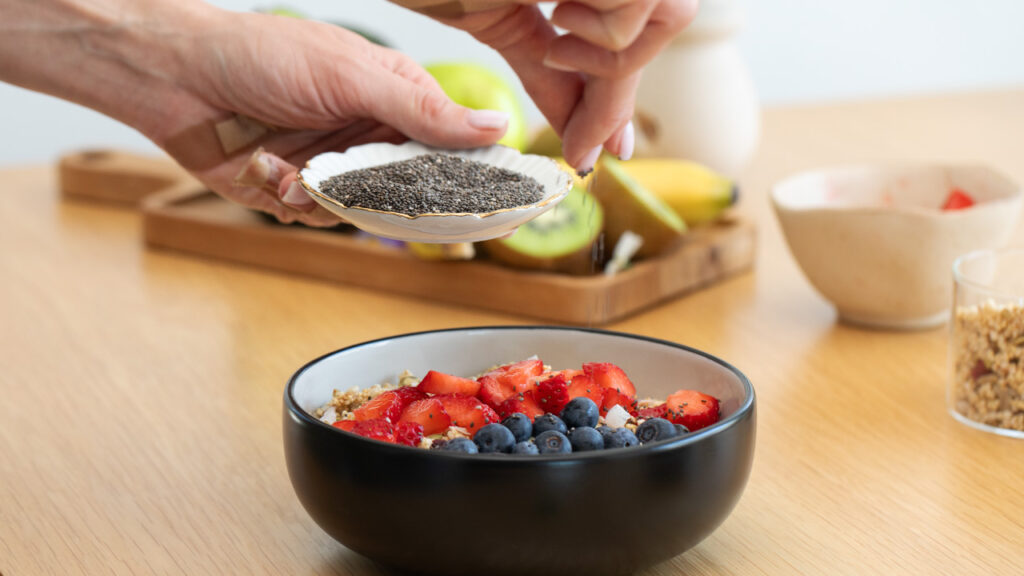
- Yoghurts and smoothies: add 1 tbsp of soaked chia (10–15 min in water/milk) or ground flaxseed. Whole flaxseed passes "straight through"; grinding makes all the difference.
- Extra virgin olive oil: use it raw to dress salads, finish soups and vegetables; for sautéing, low/medium heat. At high temperatures it loses beneficial compounds.
- Red fruits (fresh or frozen): ½–1 cup in porridge, yoghurt or as a snack. Frozen ones preserve nutrients well — and are more affordable.
- Smart snacks: a handful (about 30 g) of nuts + 1 tbsp of dried berries. Concentrated energy, yes — the dose counts.
- Quinoa on your plate: rinse it well (removes saponins), cook in stock/water and use it as a "base" for stir-fries and salads, instead of rice/pasta.
- Turmeric and ginger: season soups and stir-fries; turmeric "works" better with black pepper and fat (e.g. olive oil). Fresh ginger is useful for nausea and adds flavour without salt.
Truths that almost no one tells you
There are no "miracle foods". The context (sleep, stress, movement and your daily total) matters more than a "trendy" ingredient.
Dose and form matter: chia without soaking can bind the gut; whole flaxseed does not release omega-3; turmeric without pepper/fat is poorly absorbed.
Calories count, even the "good" ones: nuts and açaí can push a bowl to 600–800 kcal without you noticing.
Price ≠ quality: frozen red fruits and plain own-brand quinoa do the same job.
Personalised suggestions by profile
1) Weight management / appetite control
Pre-breakfast: 1 plain yoghurt + 1 tbsp soaked chia + red fruits — fibre + protein increase satiety.
Lunch: swap pasta for quinoa + sautéed vegetables; same volume, more protein and fibre.
Structured snack: 1 piece of fruit + 10–15 g of nuts; prevents late-afternoon "raids" on the cupboard.
2) Cholesterol / cardiovascular health
Extra virgin olive oil raw as the main fat in dressings; limit fried food.
Ground flaxseed (1–2 tbsp/day) in porridge or yoghurt — helps the lipid profile.
Unsalted nuts (20–30 g/day): walnuts/almonds instead of "wholemeal" biscuits.
3) Sensitive gut / bloating
Start small with chia (1 tsp soaked) and increase as tolerated.
Well-rinsed and cooked quinoa is generally gentler on the gut than some pastas.
Fresh ginger as an infusion or grated into stir-fries can help with nausea/wind; avoid excess dried berries if you notice discomfort.
4) Older people / poor appetite
Nourishing smoothie: milk/plant milk + banana + avocado + red fruits + ground flaxseed — energy-dense and easy to consume.
Enriched soups: finish with extra virgin olive oil and a pinch of turmeric with black pepper.
Soft, "good" calorie-rich snacks: Greek yoghurt with fruit purée + soaked chia.
Superfoods: myths, truths and precautions
As with everything, there are always myths, truths and precautions to bear in mind with these foods.
Shall we clear them up?
Myth: Superfoods replace a balanced diet
Truth: They complement but are not substitutes for other foods
Myth: The more you eat, the more benefits you will get
Truth: Excess can cause imbalances or interactions with medication
Myth: Only exotic foods are superfoods
Truth: Many local products have equal or greater nutritional value
Myth: Eating superfoods cures diseases
Truth: Superfoods on their own do not cure diseases; however, a healthy diet can help to look after your health.
Some precautions to bear in mind:
- Avoid excess, especially in the case of concentrated supplements
- Consult a dietitian or doctor before radically changing your diet.
- Choose organic and sustainably sourced products whenever possible.
Extra tips
In addition to the tips we have already given, here is a set of tips on superfoods suited to older people and affordable, accessible options in supermarkets.
Superfoods suited to older people
- Sardines and salmon (rich in omega-3 for brain health)
- Walnuts and almonds (healthy fats and protein)
- Extra virgin olive oil (cardiovascular protection)
- Blueberries and blackberries (antioxidants for memory and vision)
- Oats (fibre for digestion and blood sugar control)
- Plain yoghurt (calcium and probiotics for bones and gut).
Affordable and accessible options at the supermarket
- Dried or tinned beans and chickpeas
- Tinned sardines in olive oil
- Fresh or frozen kale and spinach
- Apples and oranges
- Rolled oats
- Sunflower seeds
- Green tea in teabags
- Red fruits (frozen).
Is it worth investing in superfoods?
When built into a balanced diet and combined with healthy habits such as regular exercise, good hydration and adequate rest, superfoods can bring countless benefits. The real trick lies in variety and moderation. Rather than following fads, it is worth backing local and seasonal foods, which offer the same nutritional quality and, often, at a more affordable cost.
The content of this blog is for information purposes. It does not replace medical diagnosis or treatment. Always consult a health professional.
Need non-emergency patient transport?
Ambula handles everything — with comfort, punctuality and care.
Book a transport