Physiotherapy: what it is, areas of practice and benefits for health
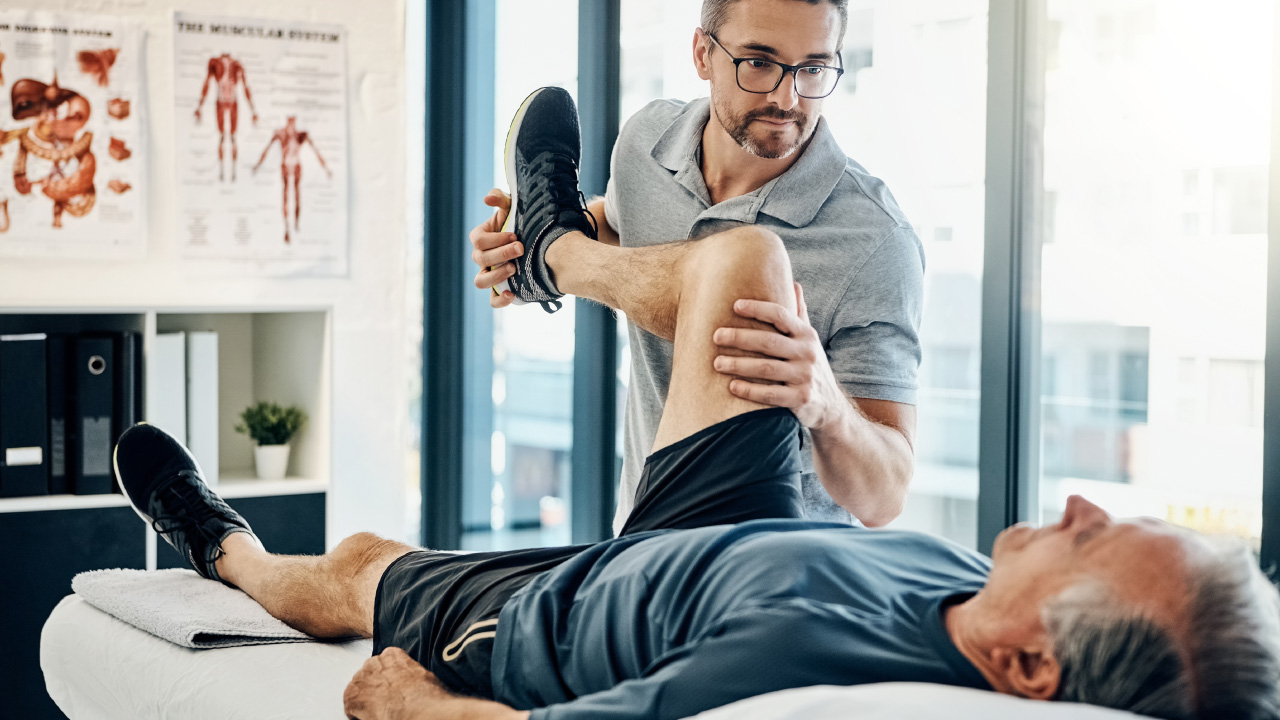
Physiotherapy is for all ages and contributes to a good recovery from injuries. It focuses on treating situations that limit mobility, whether to relieve post-operative pain, neurological problems, or injuries from sport, work or everyday life.
The important thing is to understand how it works and when you should see a physiotherapist.
Key points of the article
- Physiotherapy prevents, treats and rehabilitates movement disorders with therapeutic exercise, manual therapy and physical agents.
- Main techniques: kinesiotherapy, manipulations/mobilisations, stretching/GPR and electro-thermo-phototherapy (as a complement).
- Areas of practice: orthopaedic/traumatological, neurological/paediatric and cardiovascular/respiratory.
- Benefits: pain relief, greater mobility and strength, injury prevention and faster recovery after illness/surgery.
- When to seek help: persistent pain, functional limitation, loss of strength/balance or breathing difficulty; "red flags" require medical assessment.
What is physiotherapy? Concepts and objectives
According to the Ordem dos Fisioterapeutas (the Portuguese professional body for physiotherapists), physiotherapy is the science centred on movement and function. It studies the prevention, diagnosis and treatment of conditions that affect the movement system. The aim is to prevent, treat and rehabilitate possible changes in movement and function. To do this, it is based on principles such as:
- Clinical assessment
- Interventions based on effective techniques and plans
- Clear objectives
- Exercises to achieve results and prevent relapses.
The difference between physiotherapy and other therapies
Over time, other types of therapy have emerged that may be confused with physiotherapy and, although they may share techniques, they have different objectives or approaches.
Such is the case with:
| Aspect | Physiotherapy | Physiatry (Physical and Rehabilitation Medicine) | Occupational Therapy | Osteopathy |
|---|---|---|---|---|
| Nature | A health profession (non-medical). | Medical speciality | A health profession (non-medical). | A non-medical practice centred on musculoskeletal manual therapy. |
| Main focus | Movement and function: therapeutic exercise, manual therapy, education. | Medical diagnosis, prescription (tests/medication), coordination of rehabilitation. | Participation in activities of daily living (dressing, cooking, working), adapting the environment and tasks. | Musculoskeletal dysfunctions through osteopathic assessment and manipulation. |
| Central objective | Reduce pain, restore mobility/strength and independence. | Optimise diagnosis, safety and rehabilitation strategy. | Maximise independence and meaningful participation. | Restore mobility and function through a manual approach. |
| Usual access (PT) | Direct in the private sector; in the SNS, usually by prescription. | Through a medical appointment (SNS and private). | Private: direct access is common; clinical settings: often by referral. | Direct in the private sector. |
| Examples of typical cases | Mechanical low back/neck pain, tendinopathies, post-orthopaedic surgery, gait/balance retraining. | Complex pain with diagnostic uncertainty, multiple comorbidities, spasticity, overall planning after stroke/trauma. | Difficulties dressing/cooking/working after a stroke or fracture; return to work; adaptations at home/school. | Mechanical neck/low back pain, cervicogenic headaches, mobility restrictions, postural complaints. |
Main techniques and methods used
Physiotherapy uses a range of techniques and methods to help improve movement.
Shall we look at this in more detail?
Exercises and kinesiotherapy
Kinesiotherapy is the set of exercises that help to improve strength, endurance and mobility. They are the basis of treatment and include:
- Mobility and joint range of motion
- Strengthening and motor control
- Balance and proprioception training
- Retraining of movement patterns (standing up, squatting, running)
- Cardiorespiratory conditioning adapted to the clinical condition
Benefits: pain reduction, gains in strength/stability, independence and lower risk of recurrence.
Manipulation, stretching and GPR
Manipulation, stretching and GPR: these are manual techniques used by the physiotherapist that help to reduce pain and muscle stiffness, improve mobility and optimise postural control.
- Manual therapy: mobilisations, manipulations of joints and soft tissues to reduce pain and stiffness
- Stretching (static/dynamic) and myofascial release to improve flexibility and comfort
- GPR (Global Postural Re-education): overall postural and breathing work to correct imbalances and tension.
The use of electro-thermo-phototherapy and mechanotherapy
Electro-thermo-phototherapy and mechanotherapy are supporting resources that speed up recovery (when well indicated). This kind of therapy does not replace exercise, but works as a complement.
- Thermotherapy/Cryotherapy: heat or cold to modulate pain and inflammation
- Electrotherapy: TENS (pain relief), neuromuscular stimulation (strengthening/control), biofeedback
- Phototherapy: laser/LED to modulate inflammation and healing
- Therapeutic ultrasound and shockwave therapy (in selected cases)
- Mechanotherapy: devices and machines for progressive strength and mobility training.
Areas of physiotherapy practice
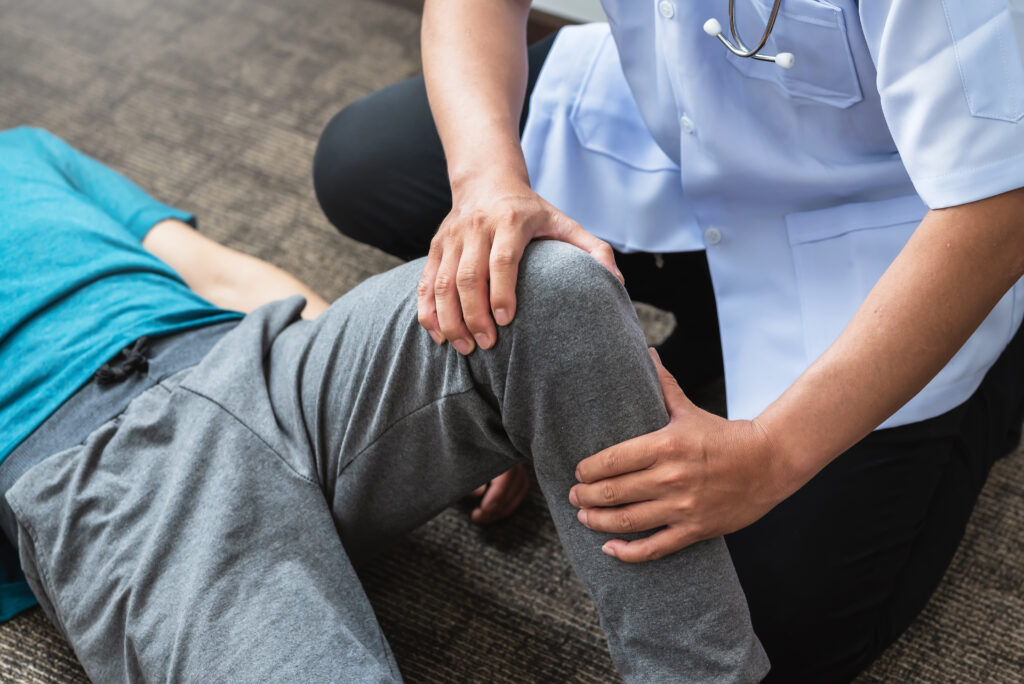
Physiotherapy is an essential process for restoring function, relieving pain and improving quality of life after an injury, surgery or chronic condition. Depending on each person's needs, interventions can cover different areas. Whether orthopaedic, neurological, paediatric, cardiovascular or respiratory, they share a common goal: to promote a recovery that is safe, personalised and geared towards independence.
Orthopaedic and traumatological
In this area, rehabilitation focuses on recovering mobility and strength after musculoskeletal injuries or surgical procedures. Common cases include sprains, muscle tears, tendinopathies, low back pain, neck pain, as well as post-surgical situations such as joint replacements, ligament reconstructions (ACL) or fractures.
The main objectives are to control pain and swelling, restore range of motion and prepare a safe return to sport or daily activity, always with clinical supervision and exercise plans adapted to the recovery stage.
Neurological and paediatric
Neurological rehabilitation focuses on people who have had a stroke, Parkinson's disease, multiple sclerosis, spinal cord injuries or neuropathies, promoting neuroplasticity, balance and independence in activities of daily living.
On the paediatric side, the focus is on children with delayed motor development, cerebral palsy or changes in muscle tone and coordination, using movement and therapeutic play as the basis of the intervention.
In both cases, the aim is to maximise independence and social participation, respecting each person's pace and abilities.
Cardiovascular and respiratory
This area aims at recovery after a heart attack, cardiac surgery, heart failure, COPD, asthma or long COVID. The treatment plan may include aerobic and strength training, airway clearance techniques, breathing re-education and education on managing symptoms.
Specialist support helps to improve functional capacity and exercise tolerance, reducing the risk of complications and promoting a more active and healthy lifestyle.
Benefits of physiotherapy for health
Physiotherapy goes far beyond treating injuries. It is an essential area of health that works on the prevention, recovery and maintenance of physical and functional wellbeing.
With personalised approaches, the physiotherapist helps to improve mobility, relieve pain, strengthen the body and promote a more active and independent life, at all ages and across all clinical conditions.
Below, discover some of the main benefits that physiotherapy can bring to your health, both in recovering from illness or injury and in preventing future limitations.
Pain relief and increased mobility
Physiotherapy helps to put pain into the background, whether it is low back pain, neck pain or osteoarthritis. With a simple, progressive plan, it relieves acute and chronic pain, restores your range of motion and strength and, above all, helps you to trust your body again. Fewer limitations, more independence in everyday life.
Injury prevention and promotion of wellbeing
Physiotherapy helps to correct risk factors such as weakness, stiffness and inefficient movement patterns at your own pace. As well as relieving what hurts, it improves sleep, mood and energy, thanks to regular physical exercise and self-care. The result? Less absenteeism and better performance at work and in sport.
Rehabilitation after illness or surgery
Physiotherapy not only speeds up recovery but also reduces the risk of complications. It helps you regain confidence and restores your independence for your personal, social and professional activities. After a difficult period (due to illness or surgery), having this specialist support can be the missing step to returning to your routine safely.
When and how to see a physiotherapist
Symptoms that indicate the need for physiotherapy
Knowing our body and learning to listen to its needs is half the battle in understanding when we need help. With that in mind, seek a medical assessment if you have:
- Persistent pain (>2–3 weeks) or pain that limits daily tasks/training
- Loss of strength, tingling, instability or recurrent falls
- Stiffness or loss of mobility after immobilisation/surgery
- Shortness of breath and tiring easily during usual activities (with medical guidance)
- Recurrence of injuries in the same area.
- Warning signs (medical emergency): sudden pain with fever, sudden loss of strength, changes in sensation in the saddle area, loss of bladder/bowel control, significant trauma.
How to choose a qualified professional
Choosing a qualified professional is very important and will determine the quality of treatment and recovery. These are our recommendations for a more reassuring choice:
- A valid professional registration and experience with your condition (orthopaedics, neuro, cardiorespiratory, paediatrics, etc.)
- An approach that combines exercise + education + manual therapy (not just "machines")
- A plan with clear objectives, periodic reassessments and exercises for home
- Good communication, understandable explanations and self-management strategies.
The importance of continuity and exercises at home
The sessions alone are not enough: when you reinforce the physiotherapist's work with exercises at home, the gains become consolidated and persistence makes all the difference.
To track your progress:
- Record in a simple way (a checklist/diary) your pain (0–10), mobility, strength and what you can already do day to day
- Adjust the programme with your physiotherapist: increasing the load and varying the stimuli to avoid plateauing and relapses
- Celebrate small victories (more repetitions, less pain, better sleep): they are signs that you are on the right track.
More than relieving a specific pain, physiotherapy promotes your wellbeing. By combining exercise, manual therapy and education, it prevents injuries, speeds up recovery and restores your movement safely.
The content of this blog is for information only. It does not replace a medical diagnosis or treatment. Always consult a health professional.
Need non-emergency patient transport?
Ambula handles everything — with comfort, punctuality and care.
Book a transport